Add Row
Add Element
cropper
update
WellnessDigestToday
The logo of WellnessDigest.Today
update
Add Element
  • Home
  • Categories
    • Mental Health & Mindfulness
    • Nutrition & Healthy Eating
    • Fitness & Workout Trends
    • Sleep & Recovery
    • Longevity & Anti-Aging
    • Sexual Health & Relationships
February 08.2026
3 Minutes Read

Transform Your Chest At Home: 10 Effective No-Equipment Exercises

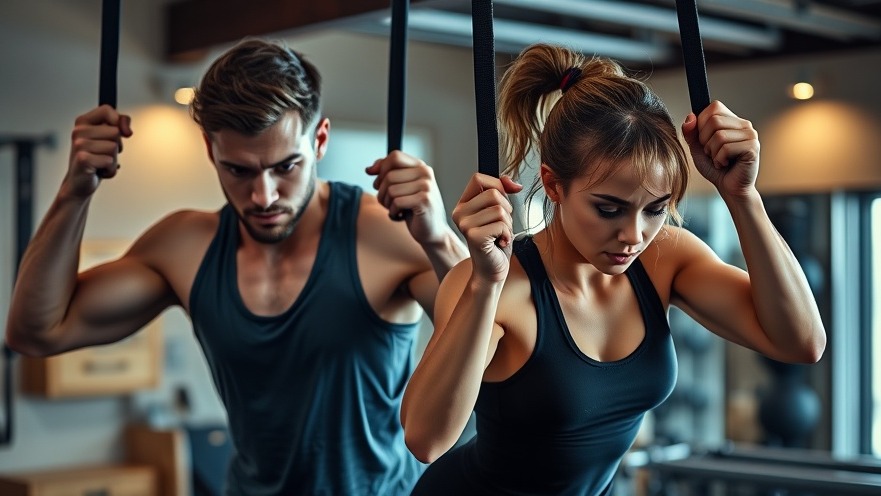
Focused athletic duo performing bodyweight exercises in home gym for a dynamic fitness routine.


Unlocking the Power of Home Workouts: No Equipment Needed

In today's fast-paced world, maintaining physical fitness has never been more important. For many, limited access to gyms or equipment can serve as a major barrier to achieving their fitness goals. But fear not! You can build a strong chest and improve your posture right from the comfort of your home—with no equipment needed. Bodyweight exercises not only enhance muscle strength but also promote overall coordination and functional fitness.

The Science Behind Bodyweight Exercises

Bodyweight training, though often undervalued compared to traditional weightlifting, provides a wealth of benefits. You can effectively build muscle, especially in the chest area, by leveraging your body’s weight to create resistance. When you perform exercises such as push-ups and their variations, you're not only engaging your chest muscles but also developing stabilizing muscles in your core and shoulders. This holistic approach enhances your overall strength and power, crucial for daily activities and athletic performance.

The Basics of a Home Chest Workout

Let’s explore how you can structure your home workout to effectively target your chest. Here are essential exercises you can include:

  1. Wide Press-Up: A staple in modern fitness, this exercise helps expand your chest width. Position your hands wider than shoulder-width apart to target the pectoral muscles effectively.

  2. Diamond Press-Up: Hands form a diamond shape beneath your chest, which places more focus on the triceps and inner chest. This variation builds strength synergistically.

  3. Incline and Decline Push-Ups: By changing the angle of your body, you can target different areas of the chest. Incline push-ups work the lower chest and decrease the load, while decline push-ups emphasize the upper chest and increase difficulty.

Innovative Variations and Techniques

Once you master the basics, it's time to experiment with variations that keep your routine engaging and challenging. Here are a few interesting techniques:

  1. One-Arm Press-Ups: This challenging exercise requires balance and strength, engaging your core while isolating each side of your chest.

  2. Spiderman Press-Ups: While performing a traditional push-up, bring your knee toward your elbow. This not only engages the chest but also incorporates the obliques for core stability.

  3. Dynamic Press-Up: Add an explosive element to your push-up by pushing off the ground to land back on your hands. This variation enhances muscle power and explosiveness.

Tips for Success: How to Stay Motivated

Staying fit at home can sometimes feel isolating, but there are ways to maintain motivation. Here are a few strategies:

  • Set Small Goals: Setting achievable goals will help you track your progress and keeps your spirits high. Start with objectives like completing a certain number of push-ups or mastering a new variation.

  • Create a Routine: Designate specific times during your week for your workouts. This consistency will facilitate habit formation and progress over time.

  • Join Online Communities: Engage with others on social media platforms or fitness apps where you can share your progress, get tips, and support one another. Shared experiences can significantly boost motivation.

The Emotional Component: Connection Through Fitness

Fitness is not purely about physical health; it also plays a vital role in our emotional well-being. As you engage in your home workouts, consider the positive effects this can have on your mood and self-esteem. Anecdotal evidence from fitness enthusiasts highlights how working out releases endorphins, leading to improved mental clarity and reduced stress levels.

Final Thoughts: Power Up Your Chest and Your Life!

In conclusion, working out at home can provide immense benefits without the need for weights or machines. You can build a strong chest, enhance overall strength, and improve your posture—all while empowering yourself through consistent effort and dedication. So why not start today? Your body is your best gym!
Fitness & Workout Trends

6 Views

0 Comments

Write A Comment

*
*
Related Posts All Posts
02.14.2026

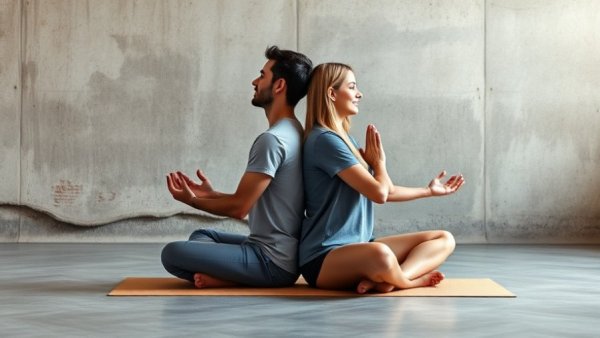
Unlock Deeper Connections: How Couples Yoga Enhances Relationship Fitness

Update The Meaning Behind Couples Yoga Couples yoga transcends the traditional understanding of physical exercise; it is a journey into emotional connection and mutual support. As relationships deepen, the desire for couples to feel truly seen and valued grows. This is where couples yoga can play a transformative role, bringing partners closer in a world that often pulls them apart. With daily stresses and the rush of modern life, the rituals surrounding Valentine's Day should remind couples of the power of presence over presents. A Unique Form of Communication Engaging in couples yoga fosters an atmosphere of non-verbal communication; this is a language built through breath, touch, and movements. Rather than verbal chats, partners can express their feelings and support via gentle adjustments and synchronized poses. Yoga expert Himalayan Siddhaa Akshar notes that such practices help enhance understanding of one another’s emotional states, breeding a space for empathy. In an age where stress casts shadows over relationships, this form of communication becomes critical. Building Trust Through Movement The dynamics of couple yoga provide real-life applications of trust-building exercises. As partners navigate through poses that require balance and coordination, they learn to lean on each other, creating a physical manifestation of emotional strength. Akshar describes this as the foundation for psychological security, a necessary component to nurture trust. As partners work through their yoga routines, each successful pose reinforces the idea that support is inherent in their relationship. Such moments cultivate a shared experience where vulnerability is met with reliability. De-Stressing Together: A Path to Intimacy What happens when stress infiltrates a relationship? Many couples find that daily responsibilities can create invisible barriers, distancing them from one another. Yoga emerges as a remedy, offering couples an avenue to alleviate tension. Akshar emphasizes that as the body relaxes, the mind follows, fostering an emotional connection unencumbered by the pressures of daily life. This mutual relaxation leads to open conversations and reconnections, stripped of expectations, allowing partners to rediscover each other. Best Couples Yoga Poses to Try Together Incorporating specific yoga poses enhances the couples training experience. Here are three poses recommended by Akshar that are not only fun but enriching for your relationship: Partner Twist: Leaning against each other, partners inhale together and twist in different directions, symbolizing respect for individuality amidst unity. Flying Warrior: One partner supports the other as they take flight, a powerful reminder that freedom and vulnerability rely on stability. Temple Pose: Standing in front of one another, partners hinge at the waist, gently promoting emotional and physical closeness. These poses serve as metaphors for life’s larger lessons: support, trust, and respect must coexist for a relationship to flourish. Creating Lasting Memories and Strengthening Bonds Through couples yoga, couples find that the journey itself becomes a cherished memory, one that reinforces bonds instead of eroding them. While many couples may overlook the emotional depth of their relationship amidst busy schedules, this practice serves as a gentle reminder of their connection. Make Couples Yoga Part of Your Routine As Valentine’s Day approaches, consider adding couples yoga to your relationship toolkit. The benefits go beyond physical fitness; they offer a nurturing space for understanding and emotional connection. With just a yoga mat and the willingness to step outside your comfort zone, couples can embark on a journey toward deeper intimacy and mutual support. Whether seeking to manage stress or simply to reconnect, this practice could be the refreshing change your relationship needs.

02.05.2026

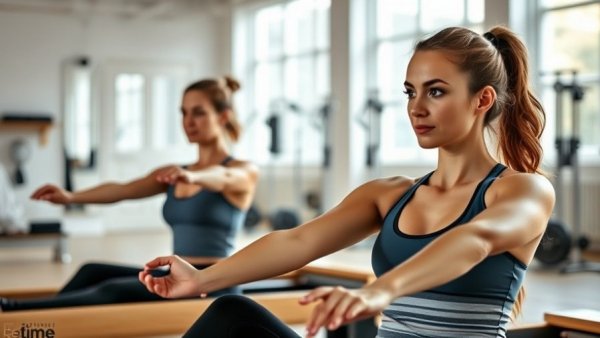
Unlock Core Strength: 5 Underrated Pilates Exercises Without Crunches

Update Revolutionizing Core Workouts: The Power of Pilates When we think about core workouts, images of crunches and high-intensity ab routines often come to mind. However, true core strength encompasses more than just visible abs; it includes vital muscles around the abdomen, lower back, hips, and pelvis that play a critical role in our everyday movements. This is where Pilates shines, offering unique exercises that engage deep stabilizing muscles often overlooked in traditional workouts. Why Pilates? According to celebrity fitness trainer Yasmin Karachiwala, Pilates differs from conventional exercises as it focuses on slow, controlled movements to engage the transverse abdominis, the deepest layer of core muscles. This muscle acts like a natural support belt for the spine, enhancing posture and reducing the risk of injury. Research published in the Journal of Multidisciplinary Healthcare supports the effectiveness of Pilates in improving core strength, stability, and functional movement while alleviating lower back pain. Five Underrated Pilates Exercises for Core Strength Let’s delve into five underrated Pilates exercises that deserve your attention: 1. Toe Taps (Supine) This exercise helps strengthen the core while maintaining pelvic stability. To perform, lie on your back with your legs in a tabletop position. Lower one foot to tap the floor, then return to the starting position. Alternate sides slowly. This simple-looking exercise builds excellent core control when done correctly, making it a powerful addition to your routine. 2. Single-Leg Stretch This dynamic exercise focuses on targeting lower abs and enhancing pelvic stability. Begin lying on your back with your head and shoulders lifted. Extend one leg while holding the other knee close to your chest, then switch. Often overlooked for more advanced moves, it is highly effective when executed with control. 3. Double-Leg Stretch This challenging move enhances coordination and engages deep muscle activation. While lying on your back, extend your arms and legs away from the body, then circle your arms and pull your knees back to your chest. Its perceived simplicity masks how effectively it engages the entire core. 4. Corkscrew The corkscrew move focuses on rotational strength and spinal stability. With your legs raised, slowly circle them while keeping your shoulders grounded. Despite being less popular than other variations, its effectiveness cannot be overstated when performed with proper form. 5. Rolling Like a Ball This playful exercise strengthens the abs while promoting spinal mobility. Sit on your sit bones, roll back onto your shoulders, and return to the starting position smoothly. At first glance, it appears easy, but it demands significant core control to maintain balance. Benefits of Incorporating These Exercises Unlike quick-burn regimes, Pilates builds lasting strength and stability. Consistency and precision are paramount, as emphasized by Karachiwala. By integrating these underrated exercises into your routine, you enhance core strength, improve posture, and support daily movements without straining your spine. Regular practice can bolster your workout routine and make everyday tasks easier, enhancing both physical and mental wellness. Frequently Asked Questions About Pilates and Core Strength Q: Can Pilates help reduce back pain?A: Yes! Pilates emphasizes core strengthening, which can alleviate lower back pain by improving overall stability and posture. Q: How often should I practice Pilates for effective core strength?A: Aim for at least two to three sessions per week to see improvements in core strength and functional movement. In conclusion, the next time you’re looking to enhance your core, consider these underrated Pilates exercises. They not only strengthen critical muscles but also contribute to a healthier, more balanced lifestyle. If you're keen to explore these exercises further, connect with your local Pilates studio or take an online class to get started!

01.28.2026

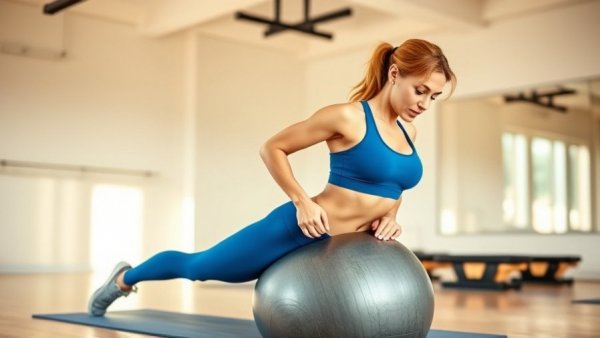
Discover the Power of Pilates Ball Exercises for Core Strength

Update Why Pilates Ball Exercises Are Transformational for Your CoreIf you’ve been searching for effective ways to strengthen your core, a Pilates ball might just be your new best friend. Often underestimated, this small yet mighty piece of equipment introduces an element of instability that forces your deep core muscles to engage more actively than traditional floor exercises. According to fitness expert Mukul Nagpaul, using a Pilates ball can significantly activate muscles such as the transverse abdominis, providing a strong support belt for your spine.The essence of Pilates is about more than just toning muscles; it involves a holistic approach to balance, flexibility, and strength. As you incorporate the Pilates ball into your workouts, you’ll discover that it enhances not only your core strength but also your overall body awareness and stability.Targeting Deep Core Muscles with InstabilityThe brilliance of Pilates ball exercises lies in their capacity to challenge stability. When you place your body on an unstable surface, tiny muscles that may not typically engage in regular workouts must now work hard to maintain balance. This training method is proven to significantly improve muscle activation and balance, according to research published in reputable journals.Engaging Exercises: Getting Started with Pilates BallIf you're new to using a Pilates ball, don't worry! There are several beginner-friendly exercises that require only controlled movements and focus on your breath. Nagpaul suggests starting with basic moves and gradually increasing the complexity as you become more comfortable. Here are a few exercises to try:Ball Bridge: Lie on your back with your feet on the ball. Lift your hips while engaging your core and squeezing your glutes. Lower down slowly.Inner Thigh Squeeze: Lie on your back and place the ball between your knees. Squeeze the ball while engaging your lower abs.Russian Twist: Sit on the ground with your legs bent, holding the ball. Lean back slightly and twist your torso from side to side.The Health Benefits of Pilates Ball WorkoutsNot only does the use of a Pilates ball improve core strength, but it also supports spine health. Movements such as ball bridges and back extensions specifically target the muscles that maintain and support spine alignment. This can alleviate muscle tension and promote better posture, particularly for those who sit for extended periods. Engaging in regular Pilates ball exercises helps to develop a resilient support system around your spine, which is crucial for preventing injuries.Posture and Balance Improvements through PilatesMany individuals struggle with poor posture as a result of weak core and back muscles. The Pilates ball empowers your body to maintain alignment, even under challenging conditions. By strengthening the core, your shoulder position naturally improves, and your spinal alignment becomes more pronounced. This translates into better posture not only during workouts but also in daily activities like sitting, standing, and walking.Incorporating Pilates Ball Exercises Into Your RoutineThe beauty of Pilates ball exercises is their versatility. Whether you’re an advanced practitioner or just beginning your fitness journey, the Pilates ball can be adapted to fit your needs. You can create a well-rounded routine that includes exercises targeting various muscle groups while addressing your goals, such as weight loss, balance improvement, and increased flexibility.Experience the Benefits of Consistent PracticeIncorporating a Pilates ball into your workouts can be the key to unlocking significant fitness benefits. With just 20-30 minutes of focused practice, you can engage your core, improve stability, and alleviate stress on your back. Remember that consistency is essential; aim to make these exercises a regular part of your routine for long-lasting results. Don't be afraid to experiment with different moves as you grow more confident with the ball. Your body will thank you for the challenge!Call to Action: Embrace the Pilates Journey!Whether you are looking to enhance your athletic performance, relieve back pain, or simply improve your overall fitness level, start integrating Pilates ball exercises into your routine today. Discover the transformative potential of this simple tool and unlock a stronger, more stable core. Join the Pilates movement and feel empowered to take charge of your health journey.

Terms of Service

Privacy Policy

Core Modal Title

Sorry, no results found

You Might Find These Articles Interesting

T
Please Check Your Email
We Will Be Following Up Shortly
*
*
*