
Add Row
Add Element
cropper
update
WellnessDigestToday
The logo of WellnessDigest.Today
update
Add Element
  • Home
  • Categories
    • Mental Health & Mindfulness
    • Nutrition & Healthy Eating
    • Fitness & Workout Trends
    • Sleep & Recovery
    • Longevity & Anti-Aging
    • Sexual Health & Relationships
April 29.2025
3 Minutes Read

7 Leg Curl Alternatives to Elevate Your Lower Body Strength

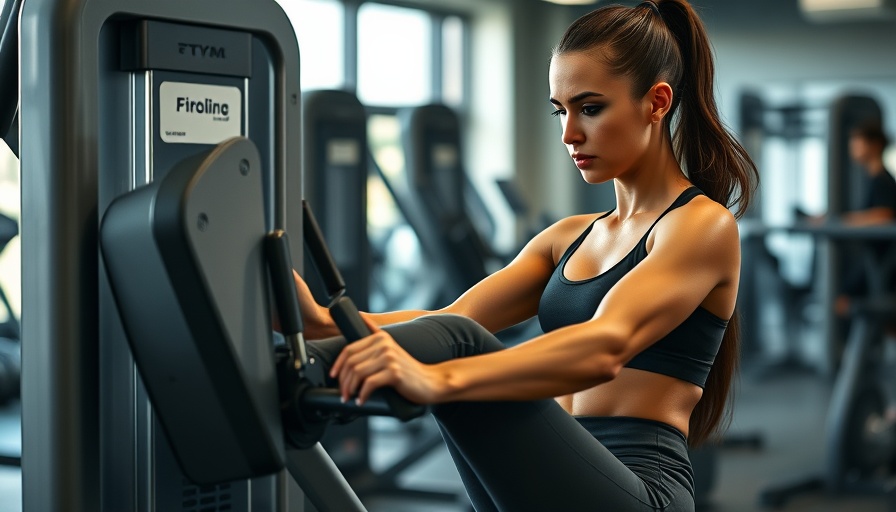
Athletic woman performing leg curl in gym, exploring leg curl alternatives.

Unleash Your Legs: Alternatives to Leg Curls for Strength

Tired of doing the same old leg workouts at the gym? There is more to achieving strong legs than simply relying on leg curls. These traditional exercises, while effective at targeting the hamstrings, may put unwanted stress on your knees and back, leading to discomfort or injury over time. This article presents seven leg curl alternatives that not only strengthen your hamstrings but also engage the entire lower body to enhance stability and overall strength.

Understanding the Leg Curl Exercise

The leg curl, particularly in its lying form, isolates the hamstrings and calf muscles. It’s crucial to learn the correct form in order to maximize the benefits while minimizing risk. Imagine lowering your body onto the machine, adjusting the pad to rest gently above your heels, and feeling your core tighten as you curl your heels towards your glutes. Engaging in this exercise can boost muscle tone and build strength essential for daily movement.

Benefits of Incorporating Leg Curl Alternatives

While the leg curl has its place, introducing alternative exercises can help prevent joint strain and improve functional movement patterns. Alternatives like deadlifts or bridges allow you to engage multiple muscle groups and provide a more balanced workout for your lower body. Research shows that strengthening the hamstrings through varied exercises also contributes to better mobility and lowers the risk of injury.

7 Effective Leg Curl Alternatives to Consider

Here are seven alternatives that can help you feel the burn in all the right places while keeping your joints safe:

  1. Romanian Deadlifts: Perfect for targeting hamstrings and glutes. This exercise mimics the natural movements of daily life, ensuring that your workouts translate to functional strength.
  2. Glute Bridges: These not only reinforce hamstring strength but also engage the glutes, offering a solid foundation for your entire lower body.
  3. Single-Leg Deadlifts: An excellent way to enhance balance as well as strength, this exercise challenges your core stability while isolating the hamstrings.
  4. Step-Ups: Great for combination training, step-ups engage the quads and hamstrings while promoting coordination.
  5. Bodyweight Squats: A classic move that targets multiple muscle groups, squats can build significant leg strength while being gentle on the joints if performed correctly.
  6. Lunges: Whether frontal, lateral, or walking lunges, these add variety and challenge to your workouts while engaging glutes, quads, and hamstrings.
  7. Hamstring Stretch and Strength Exercises: Balancing stretches with strength training will ensure your muscles remain supple and less prone to injury.

Caring for Your Knees: How to Avoid Injury

As you expand your leg workouts to include these alternatives, consider incorporating warming-up routines focused on joint health. Stretching and using foam rollers can aid in recovery and prepare your muscles for action. Furthermore, ensure to listen to your body; if an exercise feels uncomfortable, it may be wise to swap it out for another that feels better for your knees.

Building a Sustainable Leg Day Routine

Integrating these alternatives allows for a more holistic approach to leg day. Varying your programs not only can prevent physical overuse but also can keep your workouts exciting and motivating. Enjoy the process of exploring different exercises and discovering which ones resonate best with you!

Embrace a Fulfilling Fitness Journey

Considering leg curl alternatives is not just about changing your workout; it’s about redefining your relationship with fitness. Using diversified exercises can empower you to feel stronger, more capable, and in tune with your body’s needs.

To maximize your fitness journey, try incorporating these alternatives into your weekly routine. Equip yourself with what you’ve learned and explore the benefits of trying something new!

Fitness & Workout Trends

8 Views

0 Comments

Write A Comment

*
*
Please complete the captcha to submit your comment.
Related Posts All Posts
02.14.2026

Unlock Deeper Connections: How Couples Yoga Enhances Relationship Fitness

Explore the benefits of couples yoga for stress relief and strengthening emotional connections in relationships.

02.08.2026

Transform Your Chest At Home: 10 Effective No-Equipment Exercises

Discover the benefits of no-equipment exercises for building strength and enhancing fitness. Learn effective bodyweight workouts to transform your chest at home.

02.05.2026

Unlock Core Strength: 5 Underrated Pilates Exercises Without Crunches

Update Revolutionizing Core Workouts: The Power of Pilates When we think about core workouts, images of crunches and high-intensity ab routines often come to mind. However, true core strength encompasses more than just visible abs; it includes vital muscles around the abdomen, lower back, hips, and pelvis that play a critical role in our everyday movements. This is where Pilates shines, offering unique exercises that engage deep stabilizing muscles often overlooked in traditional workouts. Why Pilates? According to celebrity fitness trainer Yasmin Karachiwala, Pilates differs from conventional exercises as it focuses on slow, controlled movements to engage the transverse abdominis, the deepest layer of core muscles. This muscle acts like a natural support belt for the spine, enhancing posture and reducing the risk of injury. Research published in the Journal of Multidisciplinary Healthcare supports the effectiveness of Pilates in improving core strength, stability, and functional movement while alleviating lower back pain. Five Underrated Pilates Exercises for Core Strength Let’s delve into five underrated Pilates exercises that deserve your attention: 1. Toe Taps (Supine) This exercise helps strengthen the core while maintaining pelvic stability. To perform, lie on your back with your legs in a tabletop position. Lower one foot to tap the floor, then return to the starting position. Alternate sides slowly. This simple-looking exercise builds excellent core control when done correctly, making it a powerful addition to your routine. 2. Single-Leg Stretch This dynamic exercise focuses on targeting lower abs and enhancing pelvic stability. Begin lying on your back with your head and shoulders lifted. Extend one leg while holding the other knee close to your chest, then switch. Often overlooked for more advanced moves, it is highly effective when executed with control. 3. Double-Leg Stretch This challenging move enhances coordination and engages deep muscle activation. While lying on your back, extend your arms and legs away from the body, then circle your arms and pull your knees back to your chest. Its perceived simplicity masks how effectively it engages the entire core. 4. Corkscrew The corkscrew move focuses on rotational strength and spinal stability. With your legs raised, slowly circle them while keeping your shoulders grounded. Despite being less popular than other variations, its effectiveness cannot be overstated when performed with proper form. 5. Rolling Like a Ball This playful exercise strengthens the abs while promoting spinal mobility. Sit on your sit bones, roll back onto your shoulders, and return to the starting position smoothly. At first glance, it appears easy, but it demands significant core control to maintain balance. Benefits of Incorporating These Exercises Unlike quick-burn regimes, Pilates builds lasting strength and stability. Consistency and precision are paramount, as emphasized by Karachiwala. By integrating these underrated exercises into your routine, you enhance core strength, improve posture, and support daily movements without straining your spine. Regular practice can bolster your workout routine and make everyday tasks easier, enhancing both physical and mental wellness. Frequently Asked Questions About Pilates and Core Strength Q: Can Pilates help reduce back pain?A: Yes! Pilates emphasizes core strengthening, which can alleviate lower back pain by improving overall stability and posture. Q: How often should I practice Pilates for effective core strength?A: Aim for at least two to three sessions per week to see improvements in core strength and functional movement. In conclusion, the next time you’re looking to enhance your core, consider these underrated Pilates exercises. They not only strengthen critical muscles but also contribute to a healthier, more balanced lifestyle. If you're keen to explore these exercises further, connect with your local Pilates studio or take an online class to get started!

Terms of Service

Privacy Policy

Core Modal Title

Sorry, no results found

You Might Find These Articles Interesting

T
Please Check Your Email
We Will Be Following Up Shortly
*
*
*