


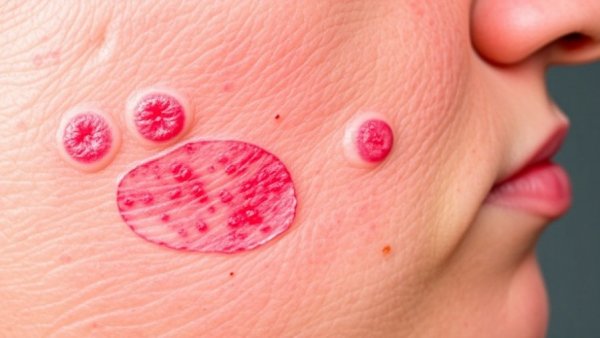
Understanding Psoriasis: More Than Just Skin Deep
Psoriasis isn't merely a skin condition; it's a chronic, immune-mediated disease that profoundly impacts both physical and mental well-being. Often recognized for its distinctive red and scaly skin patches, psoriasis stems from an overactive immune response that causes skin cells to multiply rapidly. Although it typically appears on visible areas like the elbows, knees, scalp, and lower back, it can affect any part of the body, including nails and the inside of the mouth. Patients may find themselves in cycles of flares and remissions, and while there's currently no curative treatment, effective management can lead to significant symptom relief.
Misconceptions and Psychological Effects
A prevailing misconception is that psoriasis is merely an aesthetic concern. In reality, it can be linked to a host of other health issues, including psoriatic arthritis, heart disease, and metabolic disorders such as diabetes. The emotional toll of psoriasis can be substantial, causing anxiety, depression, and low self-esteem among affected individuals. Many patients experience feelings of embarrassment or social isolation due to their visible symptoms, which can lead them to avoid situations that would expose their skin. Often, outbreaks may coincide with high-stress periods, suggesting a complex relationship between mental health and psoriasis flare-ups. To combat this, it's crucial for treatment plans to incorporate mental health support alongside dermatological care. Mindfulness practices, therapy, and support groups can offer significant benefits in dealing with the emotional burden.
The Importance of Timely Diagnosis
Receiving a proper diagnosis is essential, as psoriasis can be mistaken for eczema or fungal infections. If you’re experiencing persistent or recurrent skin patches, don’t delay seeking a consultation with a skin specialist. Early evaluation is key to a successful treatment journey; prompt diagnosis can significantly lower the risk of developing complications like psoriatic arthritis, which is characterized by painful, swollen joints. For instance, individuals suffering from joint pain should visit their healthcare provider without hesitation. Treatment options vary markedly based on disease severity and individual medical history, with mild cases potentially responding to topical therapies like corticosteroids and vitamin D derivatives, while more severe conditions may necessitate systemic therapies.
Advancements in Treatment Options
In recent years, advancements in psoriasis management have expanded options significantly. Biological therapies that target specific immune pathways—such as TNF-alpha, IL-17, and IL-23—have shown remarkable effectiveness, especially for severe cases resistant to conventional treatments. Our practice has successfully treated over 50 patients with severe psoriasis, helping many regain a quality of life that feels nearly normal. It’s incredibly uplifting to see how these innovations transform lives by achieving a level of skin clearance that hadn't been possible before. This shift in treatment paradigm means that more patients can expect not just symptom control, but a more comprehensive enhancement of their overall health and well-being.
Complementary Practices for Well-being
Beyond medical treatments, lifestyle changes can add considerable value to managing psoriasis. Regular cleansing and moisturizing can help alleviate dry-skin irritation, while good sleep habits, balanced nutrition, regular physical activity, and effective stress management contribute to overall wellness. Incorporating antioxidant-rich foods, omega-3 fatty acids, and staying hydrated can also support skin health. By identifying personal triggers, such as stress or skin injuries, patients can implement strategies to minimize flare-ups. Practices like yoga or meditation can help reduce stress levels and promote relaxation. Avoiding overly aggressive skincare products and opting for gentle, fragrance-free options can further protect sensitive skin, allowing patients to improve their quality of life.
Combatting Stigma and Raising Awareness
Combatting the stigma associated with psoriasis is also vital. Despite common misconceptions, psoriasis is not contagious nor linked to poor hygiene or lifestyle choices. Public education initiatives can significantly aid in dispelling these myths and encouraging those affected to seek timely medical assistance. Increased visibility can foster a culture of understanding and inclusion, allowing individuals with psoriasis to feel more comfortable sharing their experiences and seeking support. This is especially important for women who may feel societal pressures regarding appearance, as an open dialogue can break down barriers and promote empathy.
Looking Ahead: A Holistic Approach to Treatment
The future of psoriasis management lies in an integrative approach—one that marries targeted therapies with holistic care addressing emotional and health-related challenges. An effective treatment plan should aim not just for clear skin but also for improved mental health and quality of life. Patients should feel empowered to communicate openly with their healthcare providers about their experience, forging partnerships focused on comprehensive well-being. Luckily, with advancements in research and a growing understanding of psoriasis, innovative treatment pathways are becoming more accessible.
As more evidence emerges, the conversation around psoriasis can evolve to promote both effective treatment and emotional support, ultimately allowing patients to lead fulfilling lives. Being proactive about managing the condition through both medical and lifestyle approaches can prove invaluable, so understanding this multifaceted disease will empower those affected and foster a community of support.





Write A Comment