
Add Row
Add Element
cropper
update
WellnessDigestToday
The logo of WellnessDigest.Today
update
Add Element
  • Home
  • Categories
    • Mental Health & Mindfulness
    • Nutrition & Healthy Eating
    • Fitness & Workout Trends
    • Sleep & Recovery
    • Longevity & Anti-Aging
    • Sexual Health & Relationships
July 13.2025
3 Minutes Read

Discover 7 Yoga Poses to Relieve Chronic Pain and Stiffness

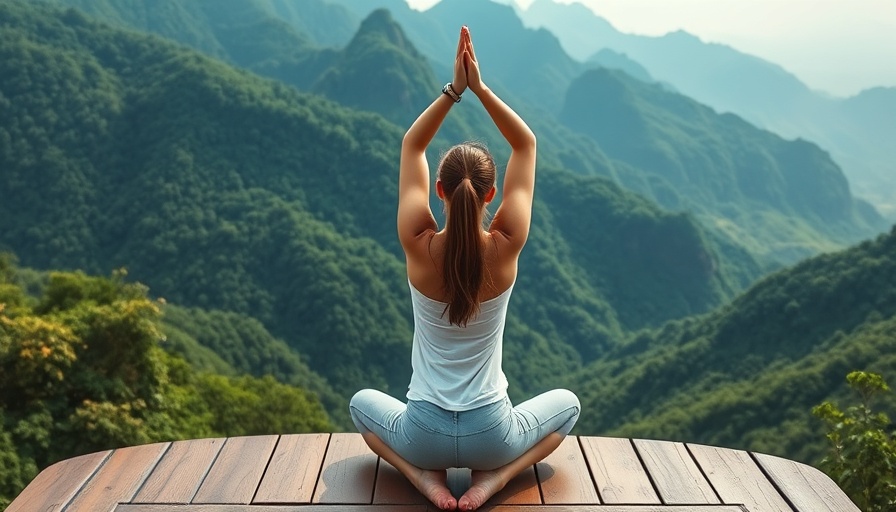
Woman practicing yoga for chronic pain relief in mountain landscape.

Unlocking Pain Relief: The Healing Power of Yoga

Chronic pain and body stiffness are afflictions many face, often rooted in the modern lifestyle—long hours at desks, sedentary activities, and sometimes even poor posture. As these discomforts accumulate, they knock on the door of our daily activities, making simple tasks feel insurmountable. Thankfully, yoga offers a holistic remedy, integrating physical, mental, and emotional healing to alleviate these challenges. Combining mindfulness with movement, yoga not only stretches and strengthens the body but also nourishes the soul. Here, we delve into seven beginner-friendly poses that promise to ease chronic pain and stiffness.

Why Choose Yoga for Chronic Pain?

Yoga’s effectiveness in managing chronic pain stems from its comprehensive approach. It promotes the body's natural healing process through a blend of breath, movement, and mindfulness. Studies in medical journals, such as those referenced by PubMed Central, highlight how the practice can:

  • Increase flexibility: By stretching tight muscles, yoga eases stiffness, enhancing mobility.
  • Strengthen muscles: Many poses focus on essential muscle groups, fortifying the body to protect against injuries.
  • Calm the mind: In reducing stress—which often exacerbates physical discomfort—yoga fosters a mental clarity that supports overall health.

Effective Yoga Poses for Relieving Chronic Pain

Here are seven yoga poses crafted to support those living with chronic pain and stiffness. Each pose serves a unique purpose, whether it’s to stretch, strengthen, or soothe.

  • 1. Balasana (Child's Pose): This restorative position relaxes the lower back, hips, and legs, making it an excellent starting point. Kneel, bring the big toes together, and hinge forward, extending your arms or resting them by your side for deep breaths.
  • 2. Marjaryasana-Bitilasana (Cat-Cow Pose): This flowing sequence enhances spinal mobility. By transitioning between arching and rounding the back, it nurtures flexibility in the spine and invigorates the body.
  • 3. Setu Bandhasana (Bridge Pose): This pose strengthens the back and legs while opening the chest, fostering a sense of strength and stability.
  • 4. Sukhasana (Easy Pose): A seated pose that encourages relaxation and focus, promoting mindfulness in each breath.
  • 5. Anjaneyasana (Low Lunge): This stretches the hip flexors and opens the legs, easing tension while enhancing mobility.
  • 6. Adho Mukha Svanasana (Downward-Facing Dog): A fundamental pose that stretches the entire back, legs, and arms while invigorating the body.
  • 7. Viparita Karani (Legs-Up-The-Wall Pose): This gentle inversion promotes circulation and relaxation, making it perfect for unwinding stress.

Realizing the Broader Benefits of Yoga

As individuals dive into these poses, they may discover benefits beyond just physical relief. Yoga encourages a deeper connection to the body, enhancing one’s awareness of how stress and tension manifest. It fosters patience and resilience, key attributes that prove important in overcoming life's challenges.

Building a Sustainable Fitness Routine

Integrating yoga into a daily fitness routine can lead to sustained health benefits. Beyond alleviating pain, it nurtures a lifestyle that prioritizes well-being. By committing to even 10-15 minutes of yoga practice daily, individuals can gradually cultivate flexibility, strength, and mental clarity.

Join the Movement Towards Wellness

As we navigate through our busy lives, let’s remember the importance of self-care. Embracing yoga for chronic pain is not just about physical movements but a journey towards mindfulness and holistic health. If you're looking to relieve chronic pain and enhance your overall quality of life, consider starting a daily yoga practice. Your body will thank you.

Fitness & Workout Trends

6 Views

0 Comments

Write A Comment

*
*
Please complete the captcha to submit your comment.
Related Posts All Posts
02.14.2026

Unlock Deeper Connections: How Couples Yoga Enhances Relationship Fitness

Explore the benefits of couples yoga for stress relief and strengthening emotional connections in relationships.

02.08.2026

Transform Your Chest At Home: 10 Effective No-Equipment Exercises

Discover the benefits of no-equipment exercises for building strength and enhancing fitness. Learn effective bodyweight workouts to transform your chest at home.

02.05.2026

Unlock Core Strength: 5 Underrated Pilates Exercises Without Crunches

Update Revolutionizing Core Workouts: The Power of Pilates When we think about core workouts, images of crunches and high-intensity ab routines often come to mind. However, true core strength encompasses more than just visible abs; it includes vital muscles around the abdomen, lower back, hips, and pelvis that play a critical role in our everyday movements. This is where Pilates shines, offering unique exercises that engage deep stabilizing muscles often overlooked in traditional workouts. Why Pilates? According to celebrity fitness trainer Yasmin Karachiwala, Pilates differs from conventional exercises as it focuses on slow, controlled movements to engage the transverse abdominis, the deepest layer of core muscles. This muscle acts like a natural support belt for the spine, enhancing posture and reducing the risk of injury. Research published in the Journal of Multidisciplinary Healthcare supports the effectiveness of Pilates in improving core strength, stability, and functional movement while alleviating lower back pain. Five Underrated Pilates Exercises for Core Strength Let’s delve into five underrated Pilates exercises that deserve your attention: 1. Toe Taps (Supine) This exercise helps strengthen the core while maintaining pelvic stability. To perform, lie on your back with your legs in a tabletop position. Lower one foot to tap the floor, then return to the starting position. Alternate sides slowly. This simple-looking exercise builds excellent core control when done correctly, making it a powerful addition to your routine. 2. Single-Leg Stretch This dynamic exercise focuses on targeting lower abs and enhancing pelvic stability. Begin lying on your back with your head and shoulders lifted. Extend one leg while holding the other knee close to your chest, then switch. Often overlooked for more advanced moves, it is highly effective when executed with control. 3. Double-Leg Stretch This challenging move enhances coordination and engages deep muscle activation. While lying on your back, extend your arms and legs away from the body, then circle your arms and pull your knees back to your chest. Its perceived simplicity masks how effectively it engages the entire core. 4. Corkscrew The corkscrew move focuses on rotational strength and spinal stability. With your legs raised, slowly circle them while keeping your shoulders grounded. Despite being less popular than other variations, its effectiveness cannot be overstated when performed with proper form. 5. Rolling Like a Ball This playful exercise strengthens the abs while promoting spinal mobility. Sit on your sit bones, roll back onto your shoulders, and return to the starting position smoothly. At first glance, it appears easy, but it demands significant core control to maintain balance. Benefits of Incorporating These Exercises Unlike quick-burn regimes, Pilates builds lasting strength and stability. Consistency and precision are paramount, as emphasized by Karachiwala. By integrating these underrated exercises into your routine, you enhance core strength, improve posture, and support daily movements without straining your spine. Regular practice can bolster your workout routine and make everyday tasks easier, enhancing both physical and mental wellness. Frequently Asked Questions About Pilates and Core Strength Q: Can Pilates help reduce back pain?A: Yes! Pilates emphasizes core strengthening, which can alleviate lower back pain by improving overall stability and posture. Q: How often should I practice Pilates for effective core strength?A: Aim for at least two to three sessions per week to see improvements in core strength and functional movement. In conclusion, the next time you’re looking to enhance your core, consider these underrated Pilates exercises. They not only strengthen critical muscles but also contribute to a healthier, more balanced lifestyle. If you're keen to explore these exercises further, connect with your local Pilates studio or take an online class to get started!

Terms of Service

Privacy Policy

Core Modal Title

Sorry, no results found

You Might Find These Articles Interesting

T
Please Check Your Email
We Will Be Following Up Shortly
*
*
*