
Add Row
Add Element
cropper
update
WellnessDigestToday
The logo of WellnessDigest.Today
update
Add Element
  • Home
  • Categories
    • Mental Health & Mindfulness
    • Nutrition & Healthy Eating
    • Fitness & Workout Trends
    • Sleep & Recovery
    • Longevity & Anti-Aging
    • Sexual Health & Relationships
April 04.2025
3 Minutes Read

How Excessive Screen Time Causes Sleep Disruptions in Teen Girls

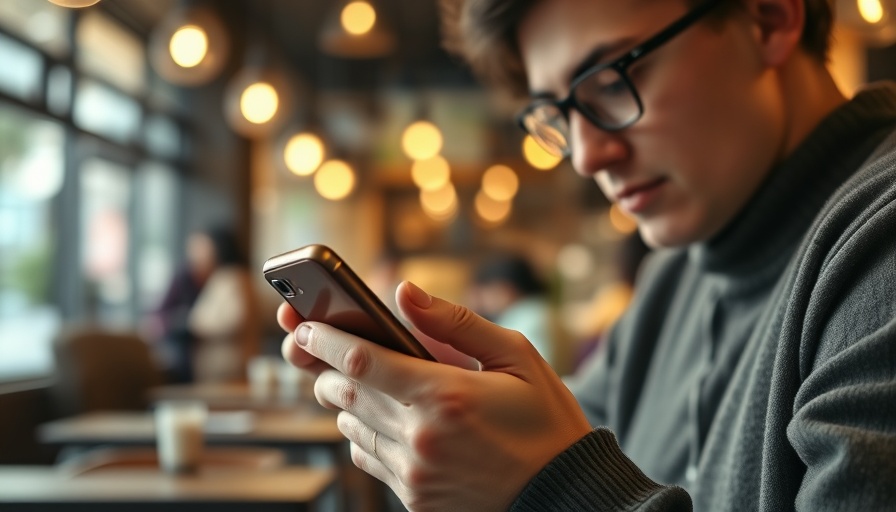
Close-up of hands holding a smartphone in a cafe, representing excessive screen time depression.

Understanding the Impact of Screen Time on Mental Health

In recent years, the prevalence of excessive screen time among adolescents has sparked a wave of concern regarding its implications for mental health, especially for teen girls. A new study from PLOS Global Public Health has shed light on this pressing issue, revealing that increased screen time not only disrupts sleep patterns but also significantly contributes to rising levels of depression, predominantly among young females.

The research team from the Karolinska Institutet in Sweden followed a cohort of 4,810 students aged 12-16 over the course of a year, measuring sleep quality, depressive symptoms, and screen usage at three different intervals. The findings indicate that among girls, a longer duration of screen time correlates with deteriorating sleep quality and increased depressive symptoms—a concerning trend that aligns with recommendations from the Swedish Public Health Agency.

The Sleep and Depression Connection

One striking aspect of this study is the elucidation of the relationship between sleep disturbances and mental health. The evidence suggests that girls who reported higher screen time experienced not only a delay in sleep onset but also a notable decline in overall sleep quality. Importantly, this disrupted sleep was identified as a key mediator that explained a substantial proportion (38% to 57%) of the relationship between screen use and depression among adolescent girls.

This points to a critical insight: addressing sleep problems could serve as a potential pathway to mitigate psychological distress. Given that sleep generates the foundation for recovery and emotional stability, promoting better sleep hygiene among teenagers could pave the way for enhancements in their overall mental well-being.

Gender Differences in Sleep and Mental Health Outcomes

The study's findings also underscore significant differences between boys and girls regarding screen time's impact on mental health. While boys exhibited similar patterns of sleep disruption, the link between screen time and depression was not as pronounced as it was for girls. Instead, boys were impacted more directly after extended screen use. This disparity further highlights the need for targeted interventions that focus on the specific needs of different gender groups by implementing structured screen time limits.

Making Healthy Choices in a Digital Age

As parents and guardians, helping teens understand the importance of limiting screen time is crucial. Recent recommendations from the World Health Organization suggest restricting leisure screen time to no more than two to three hours daily. Encouraging healthy habits can be as simple as initiating evening rituals that prioritize relaxation and sleep, such as reading a book or practicing mindfulness exercises before bed.

Moreover, fostering open dialogues about mental health can encourage teens to express their challenges and seek help without stigma. Mental health education in schools can bolster this understanding, promoting resilience and encouraging healthy coping strategies among students dealing with stress and anxiety.

Practical Steps for Better Sleep and Recovery

So, what can you do if you or someone you know is dealing with sleep issues linked to overwhelming screen time? Here are a few actionable tips:

  • Create a Technology Curfew: Set a time in the evening when all screens are turned off to promote better sleep hygiene.
  • Designate Screen-Free Zones: Encourage family or personal spaces where no technology is allowed, fostering connection without screens.
  • Encourage Alternative Activities: Promote hobbies that don't involve screens—such as art, sports, or crafting—that can enrich life experiences and improve mental well-being.

Facing the Future: The Need for Awareness and Action

The compelling data from this study serves as a call to action for policymakers, educators, and parents to prioritize mental health strategies amidst the pervasiveness of digital technologies. By reducing screen time and emphasizing the importance of sleep, it is possible to combat the alarming rise in depressive symptoms observed in today’s youth.

In sum, embracing a lifestyle that promotes limited screen exposure and encourages restorative sleep can lead to healthier, happier teens. As we forge ahead in our digitally driven world, let’s hold on to the ethos of balance, ensuring that technology serves our well-being rather than detracting from it.

Taking the first step in managing screen time can be daunting, but the impact of restoring sleep and positivity in young lives is undeniably worth it. Let’s encourage our youth to prioritize their health and well-being by embracing a healthier relationship with screens. It starts with us.

Sleep & Recovery

7 Views

0 Comments

Write A Comment

*
*
Please complete the captcha to submit your comment.
Related Posts All Posts
01.10.2026

Unlocking Better Sleep: How Daytime Functioning Holds the Key to Effective Insomnia Treatments

Update The Hidden Impact of Insomnia on Daily LifeFor many people, insomnia isn't just a night-time issue; its effects resonate throughout the day. Chronic insomnia affects about one in nine adults, causing lingering drowsiness, cognitive impairment, and irritability. Moreover, persistent sleep issues can increase health risks such as diabetes and heart disease, making the impact of sleepless nights far more profound than most realize.Why Daytime Functioning MattersThe traditional focus on nighttime sleep improvement often overlooks daytime functioning. Understanding how treatments affect daily life is crucial, as many patients prioritize how they feel during their waking hours. Research from the University of Maryland School of Medicine emphasizes this need, suggesting improvements in daytime symptoms like mood and cognition are just as vital as more restful nights.Real-time Solutions: The Role of Smartphone TechnologyRecent studies highlight the innovative use of smartphone applications in tracking insomnia treatment effectiveness. By utilizing ecological momentary assessment (EMA), this method allows real-time logging of symptoms throughout the day. The findings from a clinical trial involving older adults revealed that traditional recall questionnaires missed subtle yet significant changes. For example, while suvorexant improved sleep, it indicated increased morning fatigue but a reduction in fatigue later in the day. Such insights help tailor the treatment approach based on each patient’s unique experience.Insights from Clinical Trials: What We Can LearnThe recent trial's outcomes have vital implications for how insomnia is treated moving forward. Participants reported more acute attention to their daytime symptoms through smartphone assessments—suggesting that embracing technology could lead to better treatment results. This ground-breaking approach not only increased engagement among participants but also demonstrated feasibility in measuring nuanced treatment effects, re-defining how insomnia clinical trials might be conducted in the future.Empowering Patients: The New Standard in Sleep TreatmentFor patients battling insomnia, understanding the importance of daytime functioning is empowering. It flips the narrative from merely improving sleep to enhancing overall quality of life. Patients can actively participate in their treatment by utilizing tools like smartphone apps to provide precise feedback on their day-to-day experiences.Concluding Thoughts: Moving Forward with InsightAs conversations surrounding sleep disorders evolve, so too must our strategies for treatment. In recognizing that sleep isn't just a solitary event, but a part of a larger daily rhythm, we open the door to patient-centered approaches that prioritize real life, rather than just numbers on a sleep diary. If you or a loved one struggles with sleep issues, consider seeking treatments that prioritize both sleep quality and your daytime well-being.

01.09.2026

Discover How Mobile Technology Improves Sleep Apnea Diagnosis for Stroke Survivors

Update Revolutionizing Sleep Apnea Diagnosis for Stroke Survivors Research from the Institute for Bioengineering of Catalonia (IBEC) has paved the way for a groundbreaking, smartphone-based solution to diagnose sleep apnea, particularly for patients recovering from strokes. With many stroke survivors experiencing poor sleep quality, this innovative approach promises to enhance access to essential diagnostics and ultimately support recovery. Understanding the Challenge of Sleep Apnea Sleep apnea is a disorder where breathing is intermittently disrupted during sleep, resulting in lower oxygen levels in the blood. Stroke patients are particularly vulnerable; approximately 50% of them suffer from this condition. While polysomnography (the standard sleep test) is effective, it's often uncomfortable, expensive, and may not be readily accessible to those with additional health complexities. How Smartphone Technology Enhances Diagnosis The new system, spearheaded by Professor Raimon Jané and his team, utilizes built-in smartphone sensors and a wireless pulse oximeter to monitor various sleep-related metrics such as movement, audio signals, and oxygen levels. This robust methodology enables comprehensive analysis of breathing patterns and body position, which are critical factors in assessing sleep apnea. Study Results: Key Findings and Implications In a clinical study involving 30 stroke patients and a control group, it was revealed that 67% of stroke survivors faced moderate to severe sleep apnea, compared to 40% among the non-stroke group. The findings spotlighted severe apnea rates of 40% in stroke patients versus just 7% in healthy individuals. Such high prevalence emphasizes the urgent need for effective diagnostic tools tailored for this vulnerable population. Comparative Insights from Other Studies In alignment with other recent studies, such as the SLEAP SMART trial, the move towards home sleep apnea tests (HSATs) rather than traditional in-laboratory testing appears to be a game-changer. The SLEAP SMART study showed that HSAT not only increased the diagnosis rates of obstructive sleep apnea (OSA) but also improved patient comfort and outcomes significantly, hinting at a broader trend toward more accessible and effective diagnostic methods. Empowering Patients Through Accessibility This smartphone-based tool revolutionizes the approach towards sleep monitoring, allowing it to be performed in both clinical and home settings. Incorporating mobile technology into diagnosis democratizes access to care, especially for patients who often find traditional testing methods invasive or unfeasible. This leap in technology not only offers convenience but also fosters a sense of agency among patients in managing their health. Next Steps for Stroke Patients The integration of this mobile application into clinical practice means that more stroke survivors can access timely diagnostics and care. Continuous monitoring and adjustments in treatment based on real-time data could significantly enhance functional recovery and overall health outcomes. Call to Action: Take Control of Your Sleep Health If you or a loved one is a stroke survivor, consider inquiring about sleep apnea screening options that utilize the latest mobile technologies. Being proactive about your sleep health can lead to better recovery and overall well-being. Don't hesitate—reach out to a healthcare provider and discuss the potential benefits of these innovative solutions for managing sleep apnea.

01.08.2026

How the COSI App Helps Children with Epilepsy Sleep Better

Update New Hope for Children with Epilepsy: The COSI App In a groundbreaking development for children with epilepsy, a self-guided behavioral sleep app, known as COSI (CASTLE Online Sleep Intervention), is making significant waves in the healthcare community. Research led by King's College London has shown that this innovative app has enabled children aged 4-12 with epilepsy to fall asleep an average of 16.5 minutes earlier. This straightforward yet impactful tool combines online videos and written guides, offering evidence-based strategies designed specifically for parents navigating sleep problems in their children. Understanding Sleep Issues in Children with Epilepsy Sleep difficulties are prevalent among children with neurodevelopmental disorders, with over 80% of those with epilepsy experiencing some form of sleep problem. Professor Deb Pal from King's IoPPN highlights that sleep issues not only disrupt daily life but also raise serious concerns for the management of seizures. In the context of childhood epilepsy, sleep disorders range from frequent awakenings to excessive daytime sleepiness, with families often left searching for solutions during medical appointments. The COSI Clinical Trial The clinical trial that assessed the efficacy of COSI took place across 26 outpatient clinics in the UK, involving 85 children and their parents. Although the app proved to shorten sleep time through monitored data via smart technology, parents' feedback was less optimistic, revealing a significant engagement challenge—only 53% of families utilized the app effectively. Nonetheless, those who engaged reported a boost in their understanding of their child's sleep patterns, showcasing the need for ongoing digital assistance combined with supportive interaction. Parental Engagement: The Key to Successful Sleep Management Feedback from the trial underscores a crucial point: parental engagement is essential for success. As emphasized by Professor Pal, achieving a greater level of interaction with supportive healthcare professionals can enhance the effectiveness of these digital tools. Half-hearted engagement led to underwhelming results, but parents who fully utilized the app expressed enthusiasm and even recommended it to others, highlighting the necessity of human interaction alongside automated resources. The Future of Sleep Interventions The implications of this study are far-reaching. With the strong foundation provided by the CASTLE initiative—which included input from families and healthcare professionals in shaping its framework—the COSI app represents an adaptable tool for diverse backgrounds, including children with autism and ADHD. Currently, the plan is to refine the app further based on ongoing feedback and eventually commercialize it for global accessibility, catering to an untapped demographic facing sleep-related challenges linked to epilepsy. Continuing the Conversation on Pediatric Sleep As much as technology advances, the basic premise remains that sleep problems are a critical concern that should never be an afterthought in healthcare interactions. Initiatives like COSI pave the way for a paradigm shift in how pediatric epilepsy is managed regarding sleep, thus improving overall quality of life for affected children and their families. Continuous input from families helps ensure that these tools not only solve pressing problems but are also embraced by those who need them most. Call to Action If you or someone you know is struggling with sleep issues related to epilepsy, consider exploring the CASTLE Online Sleep Intervention. Organizations and families alike can advocate for the use of such digital solutions, increasing awareness and pushing for the continued development of user-friendly resources that make a real difference in lives affected by epilepsy.

Terms of Service

Privacy Policy

Core Modal Title

Sorry, no results found

You Might Find These Articles Interesting

T
Please Check Your Email
We Will Be Following Up Shortly
*
*
*