
Add Row
Add Element
cropper
update
WellnessDigestToday
The logo of WellnessDigest.Today
update
Add Element
  • Home
  • Categories
    • Mental Health & Mindfulness
    • Nutrition & Healthy Eating
    • Fitness & Workout Trends
    • Sleep & Recovery
    • Longevity & Anti-Aging
    • Sexual Health & Relationships
April 09.2025
3 Minutes Read

Medicare's GLP-1 Coverage Denial: What It Means for Weight Loss Management

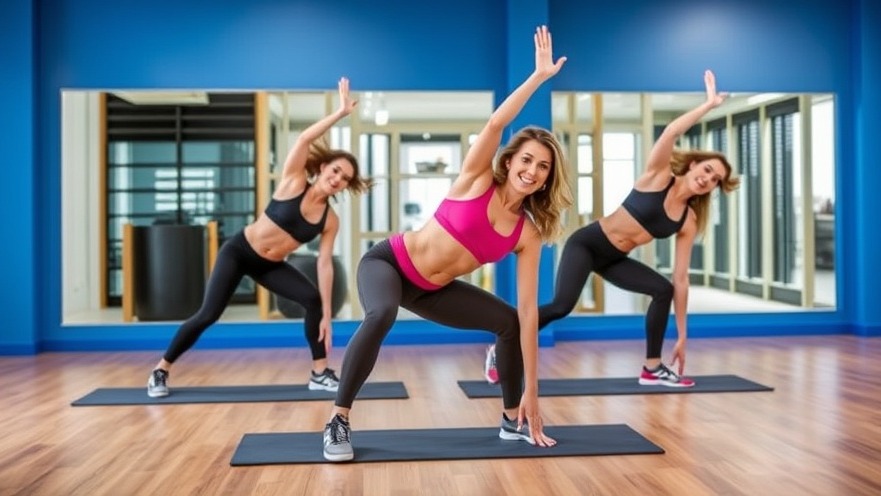
Fitness classes promoting GLP-1 medications for obesity and community support.


The Shift in Medicare’s Coverage for GLP-1 Medications

The recent announcement from Medicare stating it will not cover GLP-1 medications for weight loss has sparked shockwaves across the health and fitness communities. These drugs, often heralded for their ability to aid in weight management for those struggling with obesity, have suddenly become less accessible for many individuals who might benefit from them.

Understanding GLP-1 Medications and Their Benefits

GLP-1 medications work by mimicking a hormone that helps regulate appetite and insulin levels. Clinical studies have indicated their effectiveness not only in weight loss but also in reducing the risk of diabetes and cardiovascular diseases. For many, these medications represent a significant tool in the fight against obesity, a condition affecting over 40% of American adults. However, without support from Medicare, individuals may now face steep out-of-pocket expenses.

Why Medicare’s Decision Matters

This decision is particularly concerning for older adults who are often on fixed incomes and more likely to experience obesity-related health issues. As noted by experts in the field, the lack of coverage can deter patients from pursuing effective weight management strategies, exacerbating an already serious public health challenge. Understanding that Medicare covers numerous preventive and chronic disease management services, this pivots the conversation to what it means to prioritize weight loss management in public health policies.

Alternatives to Consider: Navigating Weight Loss Management

While GLP-1 medications may no longer be a viable option for some, there remain numerous pathways to effective weight loss management. Emphasizing a balanced diet rich in whole foods and maintaining a consistent exercise regime can provide powerful alternatives. Regular physical activity not only helps with weight control but also boosts mental health, enhances self-esteem, and strengthens overall resilience against societal pressures regarding body image.

Incorporating Sustainable Practices in Your Weight Loss Journey

Sustainability is key to long-lasting results. Instead of opting for quick fixes, individuals aiming for weight loss should consider incorporating eco-friendly practices into their routines, such as meal prepping with seasonal vegetables or committing to walking or biking for transportation. Not only do these habits support personal health goals, but they also contribute positively to the environment, thereby enriching the overall weight management narrative.

Community Support: The Role of Connection

Another significant component of weight loss management is creating a supportive social environment. Joining local fitness classes, clubs, or online communities can mitigate feelings of isolation and motivate individuals to stick with their routines. Support from peers can inspire accountability and provide a platform for sharing goals and successes, making the weight loss journey a shared experience rather than a solitary struggle.

Final Thoughts: Taking Action for Your Health

Though Medicare’s decision poses challenges for many seeking weight loss management, it highlights the importance of exploring diverse avenues for health and wellness. Individuals can take proactive steps by consulting healthcare professionals to develop comprehensive weight management plans tailored to their needs. Remember, embracing a balanced approach that incorporates nutrition, sustainable practices, and community support will provide the best opportunity for achieving and maintaining a healthy weight.

As we continue to adapt to changes in healthcare policies, staying informed about available resources empowers us to take control of our health. Explore local programs, connect with healthcare providers, and engage with supportive communities to navigate the road ahead.


Fitness & Workout Trends

3 Views

0 Comments

Write A Comment

*
*
Please complete the captcha to submit your comment.
Related Posts All Posts
02.14.2026

Unlock Deeper Connections: How Couples Yoga Enhances Relationship Fitness

Explore the benefits of couples yoga for stress relief and strengthening emotional connections in relationships.

02.08.2026

Transform Your Chest At Home: 10 Effective No-Equipment Exercises

Discover the benefits of no-equipment exercises for building strength and enhancing fitness. Learn effective bodyweight workouts to transform your chest at home.

02.05.2026

Unlock Core Strength: 5 Underrated Pilates Exercises Without Crunches

Update Revolutionizing Core Workouts: The Power of Pilates When we think about core workouts, images of crunches and high-intensity ab routines often come to mind. However, true core strength encompasses more than just visible abs; it includes vital muscles around the abdomen, lower back, hips, and pelvis that play a critical role in our everyday movements. This is where Pilates shines, offering unique exercises that engage deep stabilizing muscles often overlooked in traditional workouts. Why Pilates? According to celebrity fitness trainer Yasmin Karachiwala, Pilates differs from conventional exercises as it focuses on slow, controlled movements to engage the transverse abdominis, the deepest layer of core muscles. This muscle acts like a natural support belt for the spine, enhancing posture and reducing the risk of injury. Research published in the Journal of Multidisciplinary Healthcare supports the effectiveness of Pilates in improving core strength, stability, and functional movement while alleviating lower back pain. Five Underrated Pilates Exercises for Core Strength Let’s delve into five underrated Pilates exercises that deserve your attention: 1. Toe Taps (Supine) This exercise helps strengthen the core while maintaining pelvic stability. To perform, lie on your back with your legs in a tabletop position. Lower one foot to tap the floor, then return to the starting position. Alternate sides slowly. This simple-looking exercise builds excellent core control when done correctly, making it a powerful addition to your routine. 2. Single-Leg Stretch This dynamic exercise focuses on targeting lower abs and enhancing pelvic stability. Begin lying on your back with your head and shoulders lifted. Extend one leg while holding the other knee close to your chest, then switch. Often overlooked for more advanced moves, it is highly effective when executed with control. 3. Double-Leg Stretch This challenging move enhances coordination and engages deep muscle activation. While lying on your back, extend your arms and legs away from the body, then circle your arms and pull your knees back to your chest. Its perceived simplicity masks how effectively it engages the entire core. 4. Corkscrew The corkscrew move focuses on rotational strength and spinal stability. With your legs raised, slowly circle them while keeping your shoulders grounded. Despite being less popular than other variations, its effectiveness cannot be overstated when performed with proper form. 5. Rolling Like a Ball This playful exercise strengthens the abs while promoting spinal mobility. Sit on your sit bones, roll back onto your shoulders, and return to the starting position smoothly. At first glance, it appears easy, but it demands significant core control to maintain balance. Benefits of Incorporating These Exercises Unlike quick-burn regimes, Pilates builds lasting strength and stability. Consistency and precision are paramount, as emphasized by Karachiwala. By integrating these underrated exercises into your routine, you enhance core strength, improve posture, and support daily movements without straining your spine. Regular practice can bolster your workout routine and make everyday tasks easier, enhancing both physical and mental wellness. Frequently Asked Questions About Pilates and Core Strength Q: Can Pilates help reduce back pain?A: Yes! Pilates emphasizes core strengthening, which can alleviate lower back pain by improving overall stability and posture. Q: How often should I practice Pilates for effective core strength?A: Aim for at least two to three sessions per week to see improvements in core strength and functional movement. In conclusion, the next time you’re looking to enhance your core, consider these underrated Pilates exercises. They not only strengthen critical muscles but also contribute to a healthier, more balanced lifestyle. If you're keen to explore these exercises further, connect with your local Pilates studio or take an online class to get started!

Terms of Service

Privacy Policy

Core Modal Title

Sorry, no results found

You Might Find These Articles Interesting

T
Please Check Your Email
We Will Be Following Up Shortly
*
*
*