
Add Row
Add Element
cropper
update
WellnessDigestToday
The logo of WellnessDigest.Today
update
Add Element
  • Home
  • Categories
    • Mental Health & Mindfulness
    • Nutrition & Healthy Eating
    • Fitness & Workout Trends
    • Sleep & Recovery
    • Longevity & Anti-Aging
    • Sexual Health & Relationships
November 04.2025
2 Minutes Read

Navigating Your Menstrual Cycle: Understanding Hormonal Changes and Their Impact

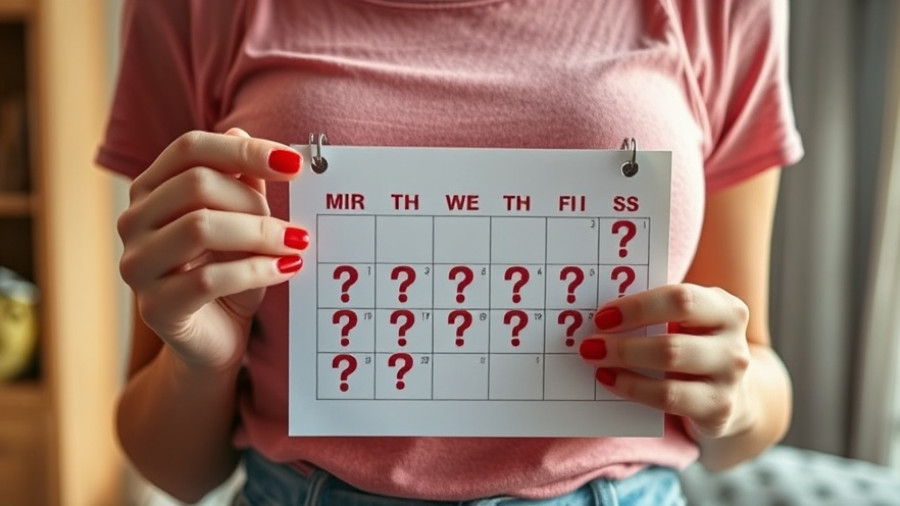
Uncertain young woman holding menstrual calendar, hormonal changes

Understanding Hormonal Changes and Emotional States

For many women, the experience of menstruation can feel like an emotional rollercoaster. As Dr. Nirmala, a seasoned obstetrician and gynecologist, explains, hormonal fluctuations are at the heart of these emotional shifts. Estrogen and progesterone are the two key hormones playing a crucial role throughout the menstrual cycle, influencing moods, energy levels, and physical well-being.

Hormonal Fluctuations: The Cycle of Change

Estrogen levels rise in the first half of the cycle, preparing the body for possible pregnancy, while progesterone kicks in post-ovulation to maintain the uterine lining. If fertilization doesn't occur, levels of both hormones drop significantly, leading to symptoms that many find unpleasant, such as fatigue, irritability, and discomfort.

Managing Hormonal Imbalances: Lifestyle and Natural Remedies

Understanding that hormonal changes are a part of life highlights the importance of managing them effectively. Good nutrition, regular exercise, and stress management techniques can help minimize severe symptoms. Dr. Nirmala has noted that simple lifestyle adjustments, such as incorporating more fruits and vegetables into one's diet and maintaining regular physical activity, can significantly enhance a woman's ability to cope during her menstrual cycle.

The Emotional Impact of Menstruation

Many women attribute mood swings and emotional distress to their menstrual cycles, often dismissing them as merely part of being a woman. However, research supports the notion that these emotions stem directly from hormonal changes. Factors like chronic stress and poor nutrition can exacerbate these feelings, potentially making menstrual symptoms feel more overwhelming.

Advice for Improving Well-Being During Your Cycle

To encourage physiological balance, it's essential to prioritize self-care. For those experiencing debilitating symptoms, consulting a healthcare provider to discuss potential treatments—like hormonal birth control options—can be beneficial. Various methods exist to regulate hormonal levels, including birth control pills, patches, and intrauterine devices (IUDs), which can help women navigate their cycles more comfortably.

Debunking Myths About Hormonal Changes

A common misconception about menstruation revolves around ignoring the impact of lifestyle choices on hormonal balance. Factors like diet, exercise level, and even medication can play a pivotal role in how hormonal fluctuations affect one’s emotional and physical health. By bringing awareness to these influences, women can break the stigma surrounding menstrual health and take proactive steps towards better personal management.

Conclusion: Embracing Your Cycle

The journey through your menstrual cycle is unique to every woman, encompassing a wide spectrum of hormonal influences and emotional responses. By fostering an understanding of these changes and implementing beneficial lifestyle modifications, women can take control of their intimate health. Remember, consulting a healthcare professional for personalized advice is always recommended, particularly for those who experience irregular cycles or severe symptoms. Empower yourself with knowledge; recognize that your menstrual cycle is not just a physical experience but a complex interplay of hormones that shapes your emotional landscape.

Sexual Health & Relationships

3 Views

0 Comments

Write A Comment

*
*
Please complete the captcha to submit your comment.
Related Posts All Posts
02.13.2026

Hot Flashes During Your Period? Here's Why and How to Manage Them

Update Understanding Hot Flashes: Not Just a Menopause IssueFor many women, the term "hot flash" might instantly evoke thoughts of menopause, a time typically associated with dwindling estrogen levels and a rollercoaster of hormonal changes. However, what if these sudden waves of heat are not confined to this life stage? Surprisingly, hot flashes can strike during menstruation as well, leading to confusion and discomfort that many women endure in silence. Dr. Sadhna Singhal, an expert in gynecology, sheds light on this often-overlooked symptom, helping to demystify this phenomenon that can surface right before or during one’s period.The Science Behind Hot Flashes During Your PeriodHormonal fluctuations, especially falls in estrogen, can ignite these sudden sensations of warmth. When estrogen levels dip dramatically just before menstruation, the hypothalamus—our body’s thermostat—mistakenly identifies this drop as a spike in body temperature. This miscommunication triggers hot flashes, characterized by flushing, sweating, and sometimes a rapid heartbeat. It turns out, our bodies are more sensitive to these hormonal variations than we may realize.Link Between Hormones and Hot FlashesResearch indicates that not only menopause can herald hot flashes but various reproductive hormonal transitions can also be responsible. During the period leading to menopause, known as perimenopause, hormone levels fluctuate erratically. This phase can begin as early as the late 30s, indicating women may experience hot flashes much sooner than expected. Additionally, conditions like premature ovarian insufficiency (POI), which affects roughly 1 in 100 women under 40, further complicate this landscape, leading to menopause-like symptoms that include persistent hot flashes even before menstrual cycles end.External Factors That Trigger Hot FlashesHot flashes can also be exacerbated by factors beyond hormonal changes. Stress and anxiety can provoke the body’s fight-or-flight response, releasing adrenaline that may lead to increased temperature sensations. Additionally, lifestyle elements such as dehydration, irregular eating habits, and stimulants like caffeine can contribute to or worsen the frequency of hot flashes. Adequate hydration and a balanced diet can go a long way in mitigating these symptoms.Strategies to Manage Hot FlashesSo, what can women do to better navigate hot flashes during their periods? Here are some practical, everyday strategies:Stay Hydrated: Drink sufficient water. This simple act helps maintain body temperature and reduces discomfort during hormonal shifts.Mind Your Diet: Focus on a hormone-friendly diet rich in fruits, vegetables, whole grains, and healthy fats. Foods containing phytoestrogens, such as flaxseeds and soy, may offer natural relief and balance to fluctuating hormone levels.Limit Caffeine and Alcohol: Both substances can trigger or intensify hot flashes. Monitoring intake or avoiding them completely in the days leading up to your period might be beneficial.Practice Stress-Relief Techniques: Engaging in mindfulness practices, yoga, or deep-breathing exercises can help mitigate the impact of anxiety on hormonal balance.When to Seek Further HelpWhile occasional hot flashes may be manageable, frequent or intensely uncomfortable episodes could necessitate a conversation with a healthcare provider. In some instances, treatment options—ranging from hormonal therapies to non-hormonal medications—could be considered to alleviate the burden of hot flashes and improve quality of life.Breaking the Taboo Around Women’s HealthIn many cultures, discussing menstrual health can still be considered taboo. Yet, addressing symptoms like hot flashes openly is essential for fostering a supportive environment for women experiencing these challenges. By encouraging open dialogues about intimate health issues, we can empower women to take charge of their well-being and seek the help they need.Overall, understanding hot flashes during menstruation not only aids women in managing their symptoms proactively but also helps break the stigma surrounding discussions related to women’s health. It's crucial for all women to feel comfortable discussing their experiences, knowing that they are not alone.

02.09.2026

Discover How Folic Acid Supports Women with Heavy Periods

Update The Hidden Benefits of Folic Acid During Menstruation Many women face the challenge of heavy periods, medically termed menorrhagia, a condition that can significantly impact their quality of life. While some may seek treatments that directly reduce the flow of bleeding, it’s important to understand that folic acid, a crucial B vitamin, plays a supportive role in managing the effects of heavy menstruation rather than reducing the bleeding itself. Understanding Menorrhagia Menorrhagia occurs when menstrual bleeding lasts longer than seven days or if women frequently need to change sanitary products due to heavy flow. This condition can lead to fatigue, dizziness, and even anemia, as consistent blood loss takes a toll on the body. Why Folic Acid Matters Folic acid is well-known for its vital role in blood production and cellular health. As Dr. Archana Dhawan Bajaj explains, while folic acid does not alleviate heavy menstrual bleeding, it assists in combating the fatigue and weakness resulting from blood loss during menstruation. This vitamin aids in the production of red blood cells, which are essential for carrying oxygen throughout the body. This function is particularly crucial for women with heavy menstrual cycles who may experience symptoms associated with anemia. Supporting Hormonal Balance Hormonal imbalances are often at the root of heavy periods. Folic acid helps in regulating estrogen levels, which can contribute to a better menstrual rhythm. High levels of estrogen can result in heavy bleeding and irregular cycles. Hence, maintaining a balanced hormone level is essential for those who frequently experience menorrhagia. Folic Acid’s Role in Fertility and Reproductive Health Folic acid is not only important for managing menstrual health but also plays a critical role in fertility and pregnancy. A study published in Fertility and Sterility indicates that adequate folic acid intake is linked to lower infertility risks and improved outcomes in fertility treatments. This makes it an essential nutrient for women of reproductive age, even if pregnancy isn't currently a concern. How to Incorporate Folic Acid into Your Diet Experts recommend a daily intake of 400 mcg of folic acid for women, achievable through supplements or a diet enriched with folate-rich foods. Foods such as leafy greens, legumes, citrus fruits, avocados, and fortified cereals are excellent sources of folic acid. Integrating these foods into your meals can bolster your intake effectively. Addressing Common Misconceptions A prevalent misconception is that folic acid can directly reduce menstrual flow. Scientific evidence does not support this claim. Instead, it's more accurate to understand that while folic acid does not lighten menstrual bleeding, it facilitates the body’s ability to cope with blood loss and prevents the negative symptoms of anemia, which can be exacerbated by heavy periods. Why Consult a Healthcare Provider? Every woman’s body is unique, and individuals experiencing prolonged heavy periods or symptoms of anemia should consult a healthcare provider. Tailored medical advice will help determine appropriate supplementation or dietary changes tailored to one’s health condition. Conclusion: Folic Acid in a Holistic Approach to Menstrual Health In conclusion, while folic acid does not diminish the flow of menstrual blood, its importance in enhancing overall menstrual health cannot be overstated. By supporting red blood cell production, alleviating fatigue, and maintaining hormonal balance, folic acid plays a crucial role in managing the symptoms associated with heavy periods. Women facing heavy menstrual cycles should consider incorporating folic acid into their diet and seek medical advice for a comprehensive approach to their health.

01.22.2026

Intimate Washes: Necessary or Harmful for Vaginal Health?

Update Do You Really Need Intimate Washes? Experts Weigh In In our quest for optimal cleanliness and freshness, many women have turned to intimate washes to maintain their vaginal health. However, before diving into this routine, it’s essential to understand what these products can—and cannot—do for your body. According to gynecologists, the vagina is remarkably self-sufficient and doesn’t require external products to stay clean. In fact, using intimate washes could lead to more harm than good. The Science Behind Vaginal Health The vagina houses millions of beneficial bacteria, primarily Lactobacilli, which are vital for maintaining a healthy environment. These helpful bacteria help create a naturally acidic pH (about 3.5–4.5) that combats harmful microbes. When the vaginal balance is disrupted—whether through douching, harsh soaps, or frequent use of intimate washes—the risk of infections such as yeast infections and bacterial vaginosis increases significantly. The general consensus among health care professionals is that a gentle rinse with water suffices for external cleansing. Unveiling the Risks of Intimate Washes Intimate washes may promise freshness and pH balance, but they often come with hidden consequences. Many of these products—the ones marketed with alluring scents and promises—contain chemicals and fragrances that can irritate the sensitive skin of the vulva. Some gynecologists have reported seeing increased cases of vulvitis and other irritations due to these products. According to a thorough review of medical literature, excessive washing can strip away natural moisture, leading to dryness and discomfort. Myth vs. Reality: What You Really Need for Feminine Hygiene Despite being marketed extravagantly, the truth is that you don’t need special soaps or cleansers to keep your vulva clean. The notion that women must use intimate washes to avoid odor or maintain hygiene stems from societal stigmas rather than from medical necessity. Most experts agree that plain water should be the go-to option. Dr. Preety Aggarwal, a leading gynecologist, reassures that the vulva can be cleaned gently with warm water, while the vagina takes care of its own health. The Emotional Aspect and Pressure to Maintain 'Freshness' Social imagery often creates pressure on women to conform to unrealistic standards of cleanliness. The feminine hygiene industry propagates the belief that odor is inherently unclean, which can lead to shame and anxiety surrounding natural bodily functions. It's essential to understand that a range of scents—some mild, some powerful—occurs naturally. Just as hair and skin have unique scents, so do vaginas. The key is noticing changes that are atypical rather than worrying about what is ‘normal.’ Seeking Help When Needed If there’s a noticeable change in odor, color, or texture of vaginal discharge, it may signal an imbalance. This is the time to consult a healthcare provider—not to reach for fragrant feminine washes or douches. Recognizing when to seek medical advice is crucial for maintaining not just vaginal health but overall well-being. Embracing Natural Hygiene Practices Ultimately, taking care of your intimate health should be simple and natural. Here are some practical tips: Use Warm Water: Gently wash the vulva with water daily; that’s all you need. Avoid Harsh Chemicals: Say no to intimate washes that contain fragrances or sulfates. Consult with Your Doctor: Always bring up your intimate health concerns—don’t hesitate. Understand Your Body: Learning about your personal hygiene needs will empower you. The bottom line is that while the market for intimate washes is booming, the science and advice from gynecologists tell a different story. Women should feel empowered to rely on their bodies’ natural capabilities, embrace their ph balanced ecosystems, and, above all, break the taboos surrounding intimate health discussions. Call to Action: Embrace a simplified approach to your intimate health. Let go of the myths that suggest you need intimate washes or harsh products to feel clean. Use warm water for your vulva, understand your body, and consult medical professionals when you have concerns. It’s time for women to reclaim their health narratives with confidence!

Terms of Service

Privacy Policy

Core Modal Title

Sorry, no results found

You Might Find These Articles Interesting

T
Please Check Your Email
We Will Be Following Up Shortly
*
*
*