
Add Row
Add Element
cropper
update
WellnessDigestToday
The logo of WellnessDigest.Today
update
Add Element
  • Home
  • Categories
    • Mental Health & Mindfulness
    • Nutrition & Healthy Eating
    • Fitness & Workout Trends
    • Sleep & Recovery
    • Longevity & Anti-Aging
    • Sexual Health & Relationships
April 27.2025
3 Minutes Read

Niacinamide vs. Retinol: Which Should Your Skin Really Choose?

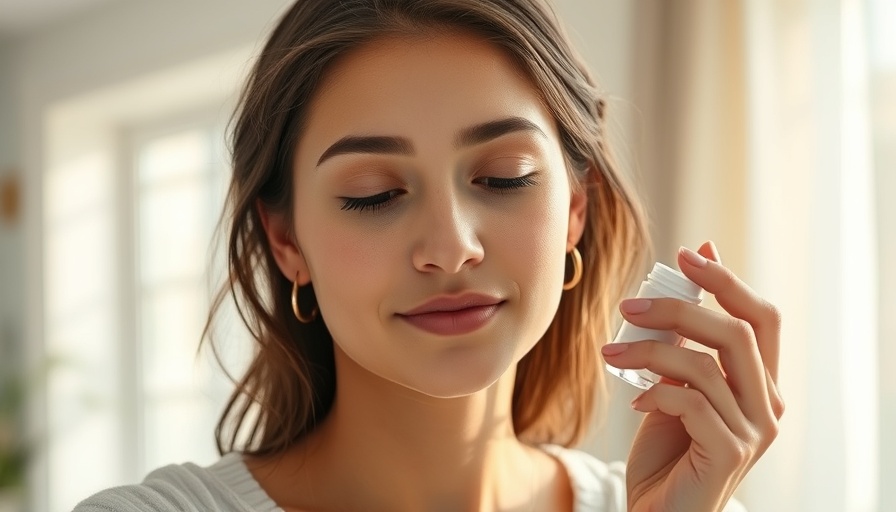
Young woman applying serum with serene expression.

The Battle of Skincare Titans: Niacinamide Vs. Retinol

Skincare can often feel like a never-ending maze of products and promises. With buzzwords like "glowing skin" and "anti-aging" plastering every ad, it's important to cut through the noise. Two ingredients that have earned their spots at the forefront of beauty regimes are niacinamide and retinol. Both claims from brands highlight their benefits, but in the great debate of niacinamide vs. retinol, does one shine brighter?

Understanding Niacinamide: The Gentle Powerhouse

Niacinamide, also known as vitamin B3, is often touted as a cornerstone of modern skincare. Why? It’s not just gentle; it’s incredibly effective at tackling a range of skin issues. Perfect for those concerned with acne, this water-soluble vitamin delivers benefits such as:

  • Anti-inflammatory Properties: Niacinamide works wonders for acne-prone skin by reducing inflammation and redness.
  • Regulates Sebum: It aids in controlling oil production, making it perfect for those with oily skin.
  • Pore Minimization: Regular use can lead to tighter, more refined pores and an overall smoother complexion.
  • Even Skin Tone: By inhibiting melanin production, it can fade dark spots and hyperpigmentation, giving way to a more radiant skin tone.
  • Anti-Aging Qualities: It enhances skin elasticity, leading to fewer fine lines and wrinkles.

Spotlight on Retinol: The Anti-Aging Hero

On the flip side lies retinol, a derivative of vitamin A, known for its anti-aging prowess. It's known for its cell turnover stimulation, which makes it a popular choice for those wanting to combat visible signs of aging. Here’s what it brings to the table:

  • Removes Dead Skin Cells: Retinol accelerates cell turnover, revealing a fresher layer of skin beneath.
  • Improves Texture: This ingredient is a favorite for smoothing skin, which can be particularly beneficial to aging and sun-damaged skin.
  • Reduces Wrinkles: Regular use can lead to a significant decrease in both fine lines and deeper set wrinkles.
  • Fades Hyperpigmentation: Like niacinamide, retinol can also improve pigmentation issues.

Potential Side Effects: Choosing the Right One for You

While both niacinamide and retinol boast impressive benefits, they are not without their potential side effects. Niacinamide is generally well-tolerated, although it can cause mild irritations in sensitive skin. Retinol, however, may lead to peeling, redness, or dryness, particularly when starting treatment. Understanding your skin’s unique needs can illuminate your path forward in this debate.

Using Both Ingredients: A Complementary Approach

Many skincare enthusiasts are tossing a new question into the mix: can both ingredients coexist? The good news is yes! When combined in a skincare routine, niacinamide can temper retinol’s harsh side effects, making for a tailored approach to achieving balanced, glowing skin.

Current Trends: How to Integrate These Ingredients

In a world where skincare trends are ever-evolving, the rise of combining both niacinamide and retinol reflects a shift toward more personalized skincare. As your skin responds to one or the other, you can adjust the frequency and amounts, creating a workout regime for your skin.

Popular products like moisturizer serums often include both, making it easier for individuals to incorporate them seamlessly into their routines without needing to buy two separate products.

Final Thoughts: Making the Best Choice for Your Skin

When determining whether niacinamide or retinol is superior, it really boils down to your unique skin type and concerns. While niacinamide excels in reducing redness and evening tone, retinol stands out for its cell turnover benefits, making it ideal for anti-aging. Both have their merits and potential drawbacks, but neither has to go it alone. Adapting a personal skincare routine that emphasizes the strengths of both may ultimately lead to the healthiest skin year-round.

Embrace Your Skincare Journey

As with any beauty endeavor, embracing change and understanding the ingredients is key. Whether you choose niacinamide, retinol, or both, the ultimate goal is achieving your personal best skin — beautiful and healthy. Why not start experimenting with these two powerhouse ingredients today? Your skin deserves the best!

Ready to take your skincare routine to the next level? Consider integrating both niacinamide and retinol into your beauty regimen to enjoy their unique benefits while protecting your skin from potential irritations. Explore products that suit your skin type for a balanced approach to skincare.

Longevity & Anti-Aging

7 Views

0 Comments

Write A Comment

*
*
Please complete the captcha to submit your comment.
Related Posts All Posts
02.12.2026

Decoding the Differences: Melasma and Pigmentation Issues Explained

Explore melasma treatment and causes, effective beauty care tips, and skincare routines for healthy skin.

02.06.2026

Unlock Fuller Locks: 7 Proven Tips to Increase Hair Density Naturally

Update Understanding Hair Density: More Than Just Appearance Hair density is a crucial indicator of hair health, reflecting the number of hair follicles per square inch on your scalp. Many women find themselves struggling with low hair density, leading to a lack of volume and a feeling of diminished attractiveness. However, it’s important to recognize that various internal and external factors contribute to this condition, including genetics, hormonal changes, stress levels, and dietary habits. By addressing these elements holistically, women can take proactive steps to foster healthier hair growth. Nutrition: The Foundation for Strong Hair A nutritious diet is not just vital for overall health but plays a pivotal role in hair density as well. Dr. Priti Karde Shringarpure emphasizes the importance of a protein-rich diet, stating that hair is primarily composed of keratin, a protein. Incorporating foods like eggs, lentils, spinach, and avocados enhances your hair's strength and health. For vegetarians, including sources of iron and zinc, like leafy greens and dairy, is essential. Additionally, avocados deliver vitamin E, which protects hair follicles from damage, making it a superstar in your diet! The Role of Supplements: When to Consider Them In some cases, it simply isn't enough to rely on diet alone. Supplements can act as a helpful addition in addressing hair health, particularly when it comes to biotin and omega-3 fatty acids. It's key, however, to consult with a healthcare professional before beginning any new supplement regimen, ensuring it fits your specific needs. Balancing nutrition through whole foods should come first, but supplements may provide that extra push towards achieving fuller hair. Stress Management: A Hidden Culprit Many don't associate hair loss with emotional states, but chronic stress can play a significant role in hair shedding. Stress triggers hair to enter a resting phase, which can lead to increased shedding when it resumes its growth cycle. Introducing stress-relieving practices such as yoga, meditation, and leisurely activities can significantly enhance your hair health. Not only do these activities align with wellness-oriented lifestyles, but they contribute crucially to mental health and well-being. Embracing Scalp Massage: A Simple Habit One often overlooked aspect of hair care is the benefits of scalp massages. This simple technique improves blood circulation, ensuring that essential nutrients reach your hair follicles effectively. According to a study published in the Eplasty Journal, consistent scalp massages can notably increase hair density over time. It’s a fairly easy practice to incorporate: simply use your fingertips or a wooden massage tool to stimulate your scalp gently while you condition your hair monthly. Finding the Right Hair Oils: Tailored Care Choosing the right oil for hair care can transform your routine. Coconut oil and rosemary oil are standout options, with coconut oil known for its ability to penetrate hair shafts and reduce damage. Meanwhile, studies indicate rosemary oil provides effects comparable to popular hair growth treatments, offering an essential natural alternative. Balancing your hair oil routine according to your scalp type can exacerbate results, making it an integral part of establishing longevity in hair health. Gentle Hair Care Practices: Quick Wins for Long-Term Benefits Finally, adopting gentle hair care practices is crucial for retaining the health of your strands. Opting for mild shampoos, minimizing heat styling, and avoiding harsh chemical treatments can greatly reduce hair breakage and enhance density over time. Make it a habit to treat your hair with kindness—after all, it’s not just about looks, but also about maintaining its health for years to come. As you embark on your hair-health journey, it's essential to remember the potential in everyday habits and practices. Boosting hair density naturally is not an overnight change, but a gradual process of nurturing both your body and hair. Take actionable steps with the shared tips as a foundation for healthier hair! To empower your personal care journey, consider incorporating these strategies into your routine today.

02.04.2026

Discover 5 Amazing Ways Rice Flour Boosts Your Skin's Natural Glow

Update Unlock the Secret to Glowing Skin with Rice Flour When it comes to achieving clear, radiant skin, nature offers some of the best solutions right from our kitchens. Rice flour, a time-honored ingredient in Asian beauty rituals, stands out for its remarkable skin benefits. This simple yet powerful ingredient gently exfoliates, regulates oil, and supports a clearer complexion, making it a staple for those seeking a natural glow. According to Ayurveda expert Dimple Jangda, rice flour is not just a culinary staple; it's a cosmetic gem that excels in enhancing skin texture and brightness. Why Rice Flour is a Game Changer for Your Skincare Routine Rice flour’s secret weapon lies in its mildly coarse texture, perfect for lifting away dead skin cells without harshness. A study highlights that rice-based products can improve skin texture, and with regular use, they reveal a more even tone. The natural enzymes in rice flour contribute immensely to combatting dullness and mild pigmentation. Here’s a deeper dive into how rice flour can enhance your skin: 1. Controls Excess Oil Without Drying Your Skin If you’re grappling with oily or acne-prone skin, rice flour can be your best ally. It effectively absorbs excess sebum while tightening enlarged pores, leaving your skin feeling refreshed and balanced. Unlike abrasive cleansers, rice flour respects your skin’s barrier, helping to keep breakouts at bay. 2. Soothes Sensitive and Irritated Skin With its natural anti-inflammatory properties, rice flour is a gentle remedy for redness and irritation. It is perfect for delicate skin types when combined with soothing agents like yogurt or honey, making it a safer alternative to chemical exfoliants that might cause unnecessary stress to sensitive skin. 3. Protects Against Early Aging Thanks to its antioxidant-rich composition, including vitamin E, rice flour helps fend off free radicals generated by pollution and sun exposure. Over time, these antioxidants boost skin elasticity and minimize the appearance of fine lines, contributing to a youthful and vibrant appearance. Simple Ways to Incorporate Rice Flour into Your Routine Making rice flour a part of your skincare routine is straightforward. Here are some easy recipes to get you started: Gentle Exfoliation: Mix 2 tbsp rice flour with 1 tbsp honey. Massage gently on your face for 10–15 minutes before rinsing with cool water. For Sensitive Skin: Combine 2 tbsp rice flour with 1 tbsp plain yogurt. Apply and let sit for 10 minutes, then rinse off. For Oily Skin: Mix 2 tbsp rice flour, 2 tbsp multani mitti, and rose water into a paste. Apply to clean skin for 5–10 minutes before rinsing. For a Natural Glow: Combine 2 tbsp rice flour, a pinch of turmeric, and milk or yogurt. Apply, allow it to set for 10–15 minutes, then wash off. For Dry Skin: Mix 1 tbsp rice flour with 1 tbsp honey and ¼ mashed avocado for extra hydration. Leave on for 10-15 minutes before rinsing off. Consistency: The Key to Success Dimple Jangda emphasizes the importance of consistency and care in your skincare regimen. While rice flour is a safe and effective ingredient, adopting a gentle approach and coupling topical treatments with healthy lifestyle choices—like hydration and a balanced diet—is crucial for optimal results. Don’t forget to perform a patch test to ensure your skin reacts well to these natural treatments. Why Every Woman Should Consider Rice Flour This easily accessible ingredient is not only cost-effective but also championed in countless beauty routines worldwide. Its myriad benefits, such as controlling oil, soothing irritation, and fighting early signs of aging, make it an essential addition to skincare. Whether you're looking for a natural glow or simply want to treat your skin well, rice flour can deliver impressive results. As women, taking proactive steps towards natural beauty can empower us. Mother Nature provides us with what we need; we just have to tap into it wisely! For more practical beauty advice that fits a modern and wellness-oriented lifestyle, subscribe to our newsletter to stay updated.

Terms of Service

Privacy Policy

Core Modal Title

Sorry, no results found

You Might Find These Articles Interesting

T
Please Check Your Email
We Will Be Following Up Shortly
*
*
*