
Add Row
Add Element
cropper
update
WellnessDigestToday
The logo of WellnessDigest.Today
update
Add Element
  • Home
  • Categories
    • Mental Health & Mindfulness
    • Nutrition & Healthy Eating
    • Fitness & Workout Trends
    • Sleep & Recovery
    • Longevity & Anti-Aging
    • Sexual Health & Relationships
April 26.2025
3 Minutes Read

Transform Your Lower Body: Discover 10 Effective Leg Extension Alternatives

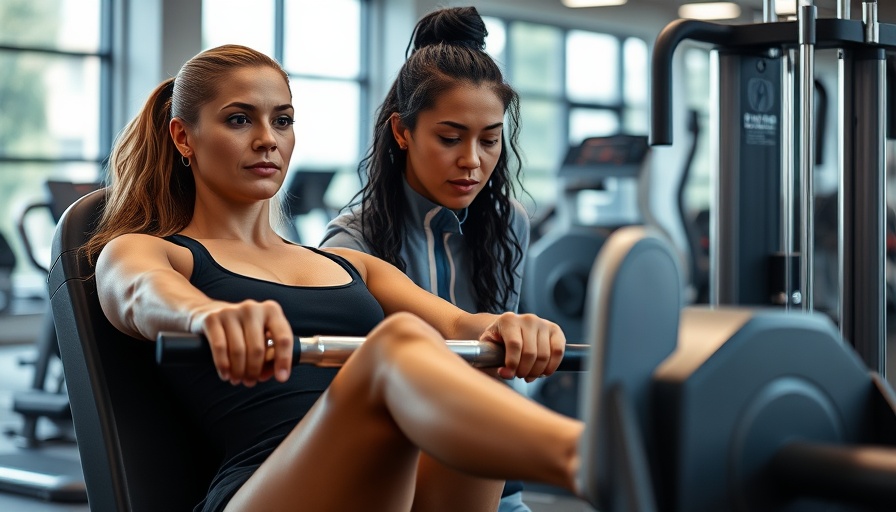
Determined woman performing leg extensions in a gym.

Redefining Leg Day: Alternatives to Machine-Dependent Exercises

When it comes to achieving strong, toned legs, people often gravitate toward machine-based exercises, like the leg extension. While these exercises can focus on specific muscle groups—particularly the quadriceps—they frequently overlook the importance of engaging multiple muscle groups for a balanced lower body workout. In this article, we explore ten effective alternatives to the leg extension that you can easily integrate into your home fitness routine, promoting overall leg strength while avoiding the risks associated with machine use.

Understanding the Leg Extension Exercise

The leg extension is a staple exercise that primarily targets the quadriceps—the prominent muscles located at the front of your thighs. To perform a leg extension, you typically need specialized equipment that might not be readily accessible for everyone. This exercise involves sitting and extending the legs against resistance, primarily isolating the quads for strength gains.

Benefits and Drawbacks of Leg Extensions

While leg extensions can improve muscle gain and knee stability, their isolating nature has significant downsides. One critical drawback is the increased stress they place on the knee joints, raising the risk of injury over time. Furthermore, by focusing solely on the front thigh muscles, leg extensions may lead to muscle imbalances, as they neglect the critical engagement of other key muscle groups such as the hamstrings and glutes.

Why Explore Alternatives?

Given the limitations of leg extensions, it’s essential to diversify your leg workouts. Engaging in exercises that target multiple leg muscles can enhance strength and stability while protecting your knees from undue stress. By incorporating a variety of movements, you will not only achieve well-rounded leg development but also reduce the likelihood of injury.

Top Ten Leg Extension Alternatives

Here are ten alternatives that provide a comprehensive workout for your legs:

  1. Bodyweight Leg Extensions/Sissy Squats: Kneel on a mat with your knees hip-width apart. Lean backward, hinging at the knees while keeping the body straight. This movement effectively targets the quads and engages the core.
  2. Squats: A fundamental exercise that works the entire lower body. Stand feet shoulder-width apart, squat down to a sitting position while keeping the chest lifted.
  3. Lunges: These can target various muscle groups. Step forward and lower your hips until both knees are bent at about a 90-degree angle.
  4. Step-Ups: Use a sturdy platform or step. Step onto the platform, driving through the heel to engage your quads and glutes.
  5. Deadlifts: Great for hamstrings and glutes. With feet shoulder-width apart, hinge at the hips while lowering a weighted object, and return to standing.
  6. Glute Bridges: Lie on your back with knees bent. Lift your hips toward the ceiling, engaging both the glutes and hamstrings.
  7. Lateral Band Walks: Using a resistance band, take steps sideways while maintaining a squat position. This targets the outer thighs and glutes.
  8. Single-Leg Deadlifts: Balancing on one leg, hinge forward with a straight back while extending the opposite leg behind you. This promotes balance and dual muscle engagement.
  9. Calf Raises: Stand on the edge of a step with heels hanging off, raising yourself up and lowering back down to strengthen calves.
  10. Wall Sits: Lean against a wall with your knees bent at 90 degrees. This static exercise engages multiple lower body muscles for endurance.

Building a Balanced Routine

The advantages of shifting away from machine-focused workouts extend beyond mere muscle engagement; these bodyweight and diverse movements can fit seamlessly into any lifestyle. Whether you’re a fitness veteran or just starting, integrating multiple alternative exercises can be transformative.

Conclusion: Take Action for Stronger Legs

Now that you have the tools and knowledge to cultivate a robust leg routine, it’s time to take actionable steps towards incorporating these alternative exercises into your regimen. Not only will you enhance lower body strength, but you’ll also foster better overall body mechanics while minimizing the risk of injury. Remember, having well-rounded lower body strength is more than just aesthetic; it's foundational for every movement in your life—from climbing stairs to running errands. Start your leg workout today by choosing just a few of these exercises!

Fitness & Workout Trends

2 Views

0 Comments

Write A Comment

*
*
Please complete the captcha to submit your comment.
Related Posts All Posts
02.14.2026

Unlock Deeper Connections: How Couples Yoga Enhances Relationship Fitness

Explore the benefits of couples yoga for stress relief and strengthening emotional connections in relationships.

02.08.2026

Transform Your Chest At Home: 10 Effective No-Equipment Exercises

Discover the benefits of no-equipment exercises for building strength and enhancing fitness. Learn effective bodyweight workouts to transform your chest at home.

02.05.2026

Unlock Core Strength: 5 Underrated Pilates Exercises Without Crunches

Update Revolutionizing Core Workouts: The Power of Pilates When we think about core workouts, images of crunches and high-intensity ab routines often come to mind. However, true core strength encompasses more than just visible abs; it includes vital muscles around the abdomen, lower back, hips, and pelvis that play a critical role in our everyday movements. This is where Pilates shines, offering unique exercises that engage deep stabilizing muscles often overlooked in traditional workouts. Why Pilates? According to celebrity fitness trainer Yasmin Karachiwala, Pilates differs from conventional exercises as it focuses on slow, controlled movements to engage the transverse abdominis, the deepest layer of core muscles. This muscle acts like a natural support belt for the spine, enhancing posture and reducing the risk of injury. Research published in the Journal of Multidisciplinary Healthcare supports the effectiveness of Pilates in improving core strength, stability, and functional movement while alleviating lower back pain. Five Underrated Pilates Exercises for Core Strength Let’s delve into five underrated Pilates exercises that deserve your attention: 1. Toe Taps (Supine) This exercise helps strengthen the core while maintaining pelvic stability. To perform, lie on your back with your legs in a tabletop position. Lower one foot to tap the floor, then return to the starting position. Alternate sides slowly. This simple-looking exercise builds excellent core control when done correctly, making it a powerful addition to your routine. 2. Single-Leg Stretch This dynamic exercise focuses on targeting lower abs and enhancing pelvic stability. Begin lying on your back with your head and shoulders lifted. Extend one leg while holding the other knee close to your chest, then switch. Often overlooked for more advanced moves, it is highly effective when executed with control. 3. Double-Leg Stretch This challenging move enhances coordination and engages deep muscle activation. While lying on your back, extend your arms and legs away from the body, then circle your arms and pull your knees back to your chest. Its perceived simplicity masks how effectively it engages the entire core. 4. Corkscrew The corkscrew move focuses on rotational strength and spinal stability. With your legs raised, slowly circle them while keeping your shoulders grounded. Despite being less popular than other variations, its effectiveness cannot be overstated when performed with proper form. 5. Rolling Like a Ball This playful exercise strengthens the abs while promoting spinal mobility. Sit on your sit bones, roll back onto your shoulders, and return to the starting position smoothly. At first glance, it appears easy, but it demands significant core control to maintain balance. Benefits of Incorporating These Exercises Unlike quick-burn regimes, Pilates builds lasting strength and stability. Consistency and precision are paramount, as emphasized by Karachiwala. By integrating these underrated exercises into your routine, you enhance core strength, improve posture, and support daily movements without straining your spine. Regular practice can bolster your workout routine and make everyday tasks easier, enhancing both physical and mental wellness. Frequently Asked Questions About Pilates and Core Strength Q: Can Pilates help reduce back pain?A: Yes! Pilates emphasizes core strengthening, which can alleviate lower back pain by improving overall stability and posture. Q: How often should I practice Pilates for effective core strength?A: Aim for at least two to three sessions per week to see improvements in core strength and functional movement. In conclusion, the next time you’re looking to enhance your core, consider these underrated Pilates exercises. They not only strengthen critical muscles but also contribute to a healthier, more balanced lifestyle. If you're keen to explore these exercises further, connect with your local Pilates studio or take an online class to get started!

Terms of Service

Privacy Policy

Core Modal Title

Sorry, no results found

You Might Find These Articles Interesting

T
Please Check Your Email
We Will Be Following Up Shortly
*
*
*