
Add Row
Add Element
cropper
update
WellnessDigestToday
The logo of WellnessDigest.Today
update
Add Element
  • Home
  • Categories
    • Mental Health & Mindfulness
    • Nutrition & Healthy Eating
    • Fitness & Workout Trends
    • Sleep & Recovery
    • Longevity & Anti-Aging
    • Sexual Health & Relationships
July 05.2025
3 Minutes Read

Unlock Digestive Health: 6 Yoga Poses to Relieve Constipation

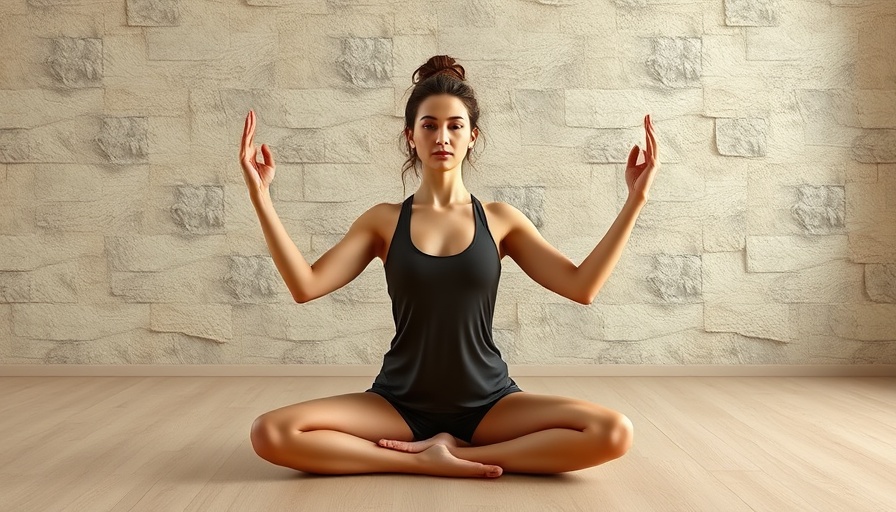
Yoga Tree Pose for constipation relief in a serene studio

Understanding the Connection Between Yoga and Digestive Health

Yoga is often touted for its physical health benefits, but its mental and emotional advantages are frequently overlooked, especially in relation to digestive health. Those suffering from constipation can experience not just physical discomfort but also emotional stress and anxiety, which can exacerbate their condition. Incorporating yoga into daily routines can provide holistic relief not just for the body but also for the mind.

6 Yoga Poses for Effective Constipation Relief

Practicing specific yoga poses has been shown to relieve constipation effectively while enhancing overall digestive health and well-being. Here are six essential poses that can help ease discomfort:

  1. Child's Pose (Balasana): This pose helps relax the body and calms the mind. By gently stretching the lower back, it promotes digestion and improves blood flow to the pelvis.
  2. Cat-Cow Stretch (Marjaryasana and Bitilasana): Combining these two poses creates gentle movements that stimulate the digestive organs and encourage intestinal motion.
  3. Downward-Facing Dog (Adho Mukha Svanasana): This pose allows for stretching and compressing the abdominal region, potentially easing discomfort and promoting the urge to relieve oneself.
  4. Knees-to-Chest Pose (Apanasana): By bringing the knees toward the chest, this pose puts pressure on the abdomen, which can help release any trapped gas and stimulate bowel movements.
  5. Seated Forward Bend (Paschimottanasana): This pose encourages a gentle compression of the abdomen while stretching the spine. It aids in relaxation and encourages the bowels to function just right.
  6. Pigeon Pose (Eka Pada Rajakapotasana): A deep stretch for the hips, this pose can alleviate tension and improve your flexibility, indirectly impacting digestion positively.

Benefits Beyond Relief: The Holistic Approach of Yoga

While constipation relief is significant, the broader benefits of practicing yoga cannot be ignored. Regular practice can:

  • Boost Mood: The mental clarity and emotional balance brought about through yoga can reduce anxiety levels that contribute to gastrointestinal issues.
  • Enhance Sleep Quality: Better sleep often follows a proper yoga regimen, improving overall health and promoting a well-functioning digestive system.
  • Promote Mindfulness: Engaging with yoga encourages being attuned to your body, which is crucial for recognizing when regularity is off and developing a responsive practice.
  • Support Core Strengthening: A strong core supports overall health. According to a study from the Journal of Physical Education, strong abdominal muscles contribute directly to enhanced digestion.

Common Misconceptions About Yoga and Digestion

Many believe yoga is too gentle to have tangible effects on constipation, but the reality is that the active movements in combination with deep breathing techniques do stimulate the digestive process. Far from being a mere relaxation tool, yoga can combat constipation effectively when practiced consistently.

Your Journey to Digestive Wellness

This new understanding of yoga's impact on digestive health reveals that its integration into daily life can serve as a preventive measure and a response to existing issues. The practice of these poses not only relieves constipation but can also enrich your overall quality of life.

Getting Started with Yoga: Practical Tips

If this is your first introduction to yoga, starting with gentle sessions or joining guided classes can help ease you into the practice. Utilizing online resources or community classes can enhance your understanding and experience. Always remember to take note of how your body feels; adjustments may be necessary for individual comfort and safety.

By incorporating regular yoga practice into your routine, you can navigate successfully toward achieving digestive wellness while enhancing your mental and emotional health. Recognizing the links between movement, mindfulness, and bodily functions opens the door to a healthier lifestyle.

Ready to embrace yoga for better health? Find classes nearby, start watching online tutorials, or even seek out personal trainers specializing in yoga. Your body will show gratitude in return.

Fitness & Workout Trends

3 Views

0 Comments

Write A Comment

*
*
Please complete the captcha to submit your comment.
Related Posts All Posts
02.14.2026

Unlock Deeper Connections: How Couples Yoga Enhances Relationship Fitness

Explore the benefits of couples yoga for stress relief and strengthening emotional connections in relationships.

02.08.2026

Transform Your Chest At Home: 10 Effective No-Equipment Exercises

Discover the benefits of no-equipment exercises for building strength and enhancing fitness. Learn effective bodyweight workouts to transform your chest at home.

02.05.2026

Unlock Core Strength: 5 Underrated Pilates Exercises Without Crunches

Update Revolutionizing Core Workouts: The Power of Pilates When we think about core workouts, images of crunches and high-intensity ab routines often come to mind. However, true core strength encompasses more than just visible abs; it includes vital muscles around the abdomen, lower back, hips, and pelvis that play a critical role in our everyday movements. This is where Pilates shines, offering unique exercises that engage deep stabilizing muscles often overlooked in traditional workouts. Why Pilates? According to celebrity fitness trainer Yasmin Karachiwala, Pilates differs from conventional exercises as it focuses on slow, controlled movements to engage the transverse abdominis, the deepest layer of core muscles. This muscle acts like a natural support belt for the spine, enhancing posture and reducing the risk of injury. Research published in the Journal of Multidisciplinary Healthcare supports the effectiveness of Pilates in improving core strength, stability, and functional movement while alleviating lower back pain. Five Underrated Pilates Exercises for Core Strength Let’s delve into five underrated Pilates exercises that deserve your attention: 1. Toe Taps (Supine) This exercise helps strengthen the core while maintaining pelvic stability. To perform, lie on your back with your legs in a tabletop position. Lower one foot to tap the floor, then return to the starting position. Alternate sides slowly. This simple-looking exercise builds excellent core control when done correctly, making it a powerful addition to your routine. 2. Single-Leg Stretch This dynamic exercise focuses on targeting lower abs and enhancing pelvic stability. Begin lying on your back with your head and shoulders lifted. Extend one leg while holding the other knee close to your chest, then switch. Often overlooked for more advanced moves, it is highly effective when executed with control. 3. Double-Leg Stretch This challenging move enhances coordination and engages deep muscle activation. While lying on your back, extend your arms and legs away from the body, then circle your arms and pull your knees back to your chest. Its perceived simplicity masks how effectively it engages the entire core. 4. Corkscrew The corkscrew move focuses on rotational strength and spinal stability. With your legs raised, slowly circle them while keeping your shoulders grounded. Despite being less popular than other variations, its effectiveness cannot be overstated when performed with proper form. 5. Rolling Like a Ball This playful exercise strengthens the abs while promoting spinal mobility. Sit on your sit bones, roll back onto your shoulders, and return to the starting position smoothly. At first glance, it appears easy, but it demands significant core control to maintain balance. Benefits of Incorporating These Exercises Unlike quick-burn regimes, Pilates builds lasting strength and stability. Consistency and precision are paramount, as emphasized by Karachiwala. By integrating these underrated exercises into your routine, you enhance core strength, improve posture, and support daily movements without straining your spine. Regular practice can bolster your workout routine and make everyday tasks easier, enhancing both physical and mental wellness. Frequently Asked Questions About Pilates and Core Strength Q: Can Pilates help reduce back pain?A: Yes! Pilates emphasizes core strengthening, which can alleviate lower back pain by improving overall stability and posture. Q: How often should I practice Pilates for effective core strength?A: Aim for at least two to three sessions per week to see improvements in core strength and functional movement. In conclusion, the next time you’re looking to enhance your core, consider these underrated Pilates exercises. They not only strengthen critical muscles but also contribute to a healthier, more balanced lifestyle. If you're keen to explore these exercises further, connect with your local Pilates studio or take an online class to get started!

Terms of Service

Privacy Policy

Core Modal Title

Sorry, no results found

You Might Find These Articles Interesting

T
Please Check Your Email
We Will Be Following Up Shortly
*
*
*