
Add Row
Add Element
cropper
update
WellnessDigestToday
The logo of WellnessDigest.Today
update
Add Element
  • Home
  • Categories
    • Mental Health & Mindfulness
    • Nutrition & Healthy Eating
    • Fitness & Workout Trends
    • Sleep & Recovery
    • Longevity & Anti-Aging
    • Sexual Health & Relationships
June 29.2025
3 Minutes Read

Unlock Hormonal Balance Through Seed Cycling: Discover the Benefits of Pumpkin, Sunflower, Chia, and Flax Seeds

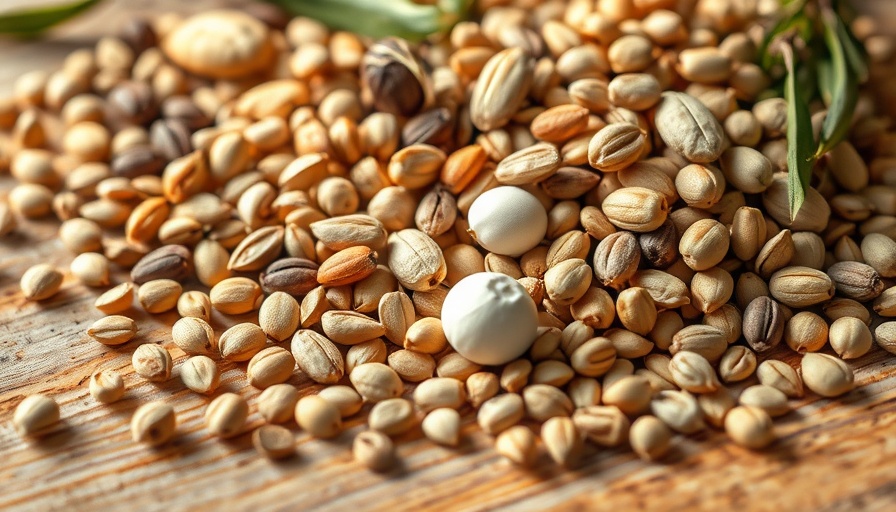
Variety of seeds on wood highlights seed cycling benefits for hormonal balance.

Understanding Seed Cycling: A Path to Hormonal Wellness

In a world increasingly focused on holistic health and wellness, seed cycling has emerged as a natural alternative for managing hormonal balance, especially among women. Traditionally, hormonal imbalances can lead to a plethora of health issues ranging from menstrual irregularities to conditions like polycystic ovary syndrome (PCOS). But what if by simply incorporating specific seeds into your diet, you could promote hormonal equilibrium? This is the essence of seed cycling.

The Phases of Seed Cycling Explained

Seed cycling divides a woman's menstrual cycle into two significant phases — the follicular and luteal phases. The first phase begins on day one of menstruation and lasts for about 14 days. Here, dieters incorporate pumpkin and flax seeds into their meals — each providing essential nutrients like zinc and omega-3 fatty acids, which are known to support estrogen production. This dietary choice prepares the body for optimal progesterone secretion in the following phase.

The luteal phase, beginning on day 14, lasts until the onset of the next cycle. During this time, women switch to consuming chia and sunflower seeds. These seeds are touted for their ability to stimulate the production of key hormones such as luteinizing hormone (LH) and follicle-stimulating hormone (FSH), necessary for regulating menstrual cycles.

The Science Behind Seed Cycling

Recent studies have shown that the combined effect of seeds like pumpkin, sunflower, chia, and flax can rival conventional treatments for conditions such as PCOS. These seeds, rich in essential nutrients, may not only regulate hormones but also contribute to overall well-being by potentially alleviating conditions associated with hormonal imbalance. For instance, a study published in Food, Science & Nutrition highlighted the competency of these seeds in promoting hormonal health, confirming their therapeutic potential.

Benefits Beyond Hormonal Balance

But the benefits of seed cycling extend far beyond just menstrual health. Women incorporating these seeds into their diets may experience an array of positive effects, including improved skin health, better metabolism, and a more regulated mood due to stable hormone levels. The regular intake of these nutrient-dense seeds can also contribute to sustained energy levels and support digestive health, showcasing how simple dietary adjustments can lead to comprehensive wellness.

The Measurable Impact on Lifestyle

Adopting a seed cycling regimen can also be a mindful practice, blending nutrition with self-care. Not only does each seed offer unique hormonal benefits, but they also create an opportunity for individuals to engage more intentionally with their food choices. This holistic approach contributes to a sustainable lifestyle focused on prioritizing health.

Getting Started with Seed Cycling

For those looking to introduce seed cycling into their routines, consult with a qualified dietitian to tailor the plan to individual needs. Emphasizing the importance of portion control, it's generally recommended to consume one teaspoon of each seed type during the designated cycling periods for optimal effects. Keeping a journal to track changes in wellbeing can further enhance the seed cycling experience.

Conclusion: Embrace the Seeds of Change

Seed cycling presents an exciting method for achieving hormonal balance naturally. Whether you are struggling with menstrual health issues or simply looking to enhance your overall vitality, the simple addition of classic seeds like pumpkin, sunflower, chia, and flax to your daily diet might offer noticeable benefits. As the journey toward better health unfolds, take a small yet significant step today by integrating these nutritional powerhouses into your meals!

Nutrition & Healthy Eating

3 Views

0 Comments

Write A Comment

*
*
Please complete the captcha to submit your comment.
Related Posts All Posts
02.14.2026

Five Transformative Foods to Reverse Your Type 2 Diabetes Now

Update The Promising Path to Reversing Type 2 Diabetes Type 2 diabetes is a condition many fear, but recent research brings a hopeful message: it can potentially be reversed. Studies from esteemed institutions, such as the American Diabetes Association and University of British Columbia, show that thoughtful dietary changes can lead to significant improvements in blood sugar levels and overall health within a mere 12 weeks. This article highlights essential dietary changes that could help you regain control over your health. Understanding Type 2 Diabetes and Its Causes Type 2 diabetes occurs when the body becomes resistant to insulin, or when the pancreas fails to produce enough insulin. Factors such as excess body fat, particularly around the abdomen, can contribute to this condition. The Newcastle Magnetic Resonance Centre emphasizes the importance of addressing fat accumulation in the liver and pancreas. By understanding the biological causes behind diabetes, we can craft effective dietary strategies. Five Game-Changing Foods for Managing Type 2 Diabetes Transitioning to a healthier diet can be daunting, but incorporating these five nutrient-dense foods may help manage, and even turn around, the effects of Type 2 diabetes. 1. Leafy Greens: Rich in vitamins and antioxidants, vegetables like spinach and kale combat oxidative stress. A British Medical Journal study highlights their role in regulating blood sugar levels. 2. Fatty Fish: Omega-3 fatty acids found in salmon and mackerel not only reduce inflammation but also support heart health and stabilize blood sugar levels. Regular consumption of fatty fish has been linked to lower fasting blood sugar levels. 3. Nuts and Seeds: These are powerhouses of healthy fats, fiber, and protein. Almonds and chia seeds can help you feel fuller for longer, while also aiding in cholesterol control. 4. Squash: Low in carbohydrates and high in vitamins, varieties such as butternut and acorn squash are fantastic additions for those managing diabetes. 5. Whole Grains: Foods like quinoa and brown rice have more fiber than refined grains, promoting steady blood sugar levels and sustained energy. The Impact of Nutrition on Blood Sugar Management The link between diet and diabetes management cannot be overstated. As noted in the Phillips Family Medical article, prioritizing nutrient-rich, low-glycemic options can result in immense benefits. Healthy carbohydrates play a crucial role in stabilizing blood sugar. Incorporating legumes, vegetables, lean proteins, and whole grains can work wonders for long-term management. Long-Term Changes for Sustainable Health Committing to long-term health can feel overwhelming, but even simple, incremental changes can have lasting effects. Embracing a balanced meal plan that includes the aforementioned foods towards a goal of weight loss can significantly reduce diabetes complications. Research shows that weight loss can lead to a substantial improvement in insulin sensitivity. Future Predictions: The Role of Diet in Diabetes Management The evidence supporting dietary interventions continues to grow. The future holds promise for those with Type 2 diabetes, with an increasing emphasis on personalized nutrition. Emerging research suggests that different individuals may respond uniquely to various dietary strategies, highlighting the need for tailored nutritional approaches. Your Journey to Health: Take Action Today With clear evidence linking diet to diabetes management and reversal, the call to action is clear: start integrating these foods into your meals and consult with healthcare providers for personalized dietary guidance. By proactively managing your lifestyle choices, you can take significant steps toward enhancing your quality of life. Incorporating more fresh, nutrient-dense foods not only sets the stage for reversing Type 2 diabetes but also fosters a more vibrant, healthy lifestyle. Remember, change takes time, but the journey to better health and wellbeing is absolutely worth it!

02.12.2026

Is Coffee the Secret to Relieving Constipation? Find Out Here!

Update Can Coffee Help Relieve Constipation? Understanding the ScienceMany start their day with a cup of coffee, anticipating the warm embrace of caffeine to wake them up and kickstart their metabolism. For some, this ritual is not just about alertness; it may also trigger an urgent need to use the restroom. This raises the question: can coffee actually help with constipation? To explore this, we consulted Dr. Manish Dodmani, a consultant gastroenterologist, alongside insights from recent studies.The Gut-Triggering Wonders of CoffeeFor many, coffee acts as a natural laxative. This response is rooted in the body's gastrocolic reflex, where drinking or eating stimulates the colon to contract, helping move stool along. Interestingly, this isn't solely due to the caffeine content. Research, including findings from a 2024 study, suggests that both caffeinated and decaffeinated coffee can stimulate bowel activity, hinting at various compounds within coffee that contribute to this effect.How Coffee Works: Chemical Reactions in Our GutIn addition to caffeine, coffee’s natural acidity and ability to increase the release of hormones like gastrin also play significant roles. These physiological changes promote peristalsis (the wave-like muscle contractions in the intestines) and enhance digestion. One study highlighted that coffee can even be more effective at stimulating colonic activity than simply drinking water, making it a preferred option for many suffering from infrequent bowel movements.Variability in Responses: Why Coffee Isn’t a One-Size-Fits-All SolutionDespite its potential benefits, the impact of coffee on bowel health varies significantly from person to person. While some people may experience immediate relief post-coffee, others could face discomfort, bloating, or even worsening of their constipation. This discrepancy often hinges on individual health conditions, such as dehydration, where coffee could compound issues rather than alleviate them. Not everyone improves with coffee; those with sensitivities or digestive disorders, like IBS, may find the acidity exacerbates their symptoms.Dehydration: The Double-Edged Sword of Coffee ConsumptionIt's essential to navigate the balance between enjoying coffee and maintaining proper hydration. While the fluid content in coffee compensates for its mild diuretic properties, excessive intake without adequate water can lead to dehydration, thereby worsening constipation. Therefore, moderation remains vital. Keeping a reliable water intake alongside your daily cups can help avoid this pitfall.Alternatives to Coffee: A Holistic Approach to Digestive HealthWhile coffee might make the call to nature faster for some, relying on it as a fix for constipation isn't advisable in the long run. Experts recommend adopting a more comprehensive approach to digestion: a fiber-rich diet with plenty of fruits, vegetables, beans, and whole grains is crucial. Furthermore, staying hydrated and incorporating regular physical activity can work wonders for maintaining healthy bowel function.Final Thoughts: Making Informed ChoicesUnderstanding the intricacies of coffee's effect on bowel health empowers individuals to make informed choices about their digestive wellness. While it can serve as a short-term remedy for many, long-term relief from constipation typically requires a multi-faceted approach. If you find that coffee complicates rather than eases your symptoms, consider consulting a healthcare provider to explore other dietary adjustments. Feel empowered to discover what works best for your body and health!

02.10.2026

Unlock the Secrets to Seasonal Eating in Ayurveda for Optimal Health

Update Embracing the Seasons: The Art of Seasonal Eating in Ayurveda In our fast-paced, modern world, the concept of seasonal eating might seem anachronistic. Yet, Ayurveda, the ancient science of life, emphasizes this holistic approach to nutrition. Just as we adapt our clothing and routines to seasonal changes, our diets should reflect the environment and its cycles as well. This article unfolds how seasonal eating, known as Ritucharya, can improve digestive health, bolster immunity, and enhance overall vitality. The Ayurveda Perspective on Seasonal Eating According to Ayurveda, food is more than sustenance; it’s medicine. The success of Ayurvedic practices lies in understanding how seasonal changes affect our body’s natural energies, or doshas: Vata, Pitta, and Kapha. Each season uniquely influences these doshas, and aligning our diet accordingly can restore balance and promote optimal health. What to Eat: Seasonal Recommendations To fully embrace the benefits of seasonal eating, consider the Ayurvedic guidelines for each season: Spring (Kapha Season): Focus on light, cleansing foods like steamed vegetables, barley, and herbal teas. Avoid heavy dairy, fried foods, and refined carbohydrates to reduce accumulation and support detoxification. Summer (Pitta Season): Emphasize cooling and hydrating foods such as seasonal fruits, cucumber, and coconut water. Refrain from spicy, fried, and acidic foods to soothe digestion. Monsoon (Vata-Pitta Imbalance): As digestion tends to weaken, prioritize warm meals, soups, and spices like ginger and cumin while steering clear of raw foods and excessive cold drinks. Autumn (Pitta Aggravation): Incorporate light grains and warm beverages to detoxify while avoiding sour and oily foods that may disrupt balance. Winter (Vata Season): Nourish your body with warm, cooked meals rich in healthy fats like ghee, nuts, and root vegetables to combat the cold. Benefits of Eating Seasonally Engaging in seasonal eating offers numerous advantages. First and foremost, it supports digestive health. Seasonal foods align with our natural digestive capacity, reducing issues like bloating and sluggishness. Additionally, consuming fresh, local produce enhances immunity, providing the nutrients necessary to fend off seasonal ailments. Furthermore, eating according to nature’s rhythms can prevent dosha imbalances. By avoiding foods that contradict seasonal energies, we reduce the risk of allergies and mood swings, fostering both physical and mental well-being. Practical Tips for Seasonal Eating Incorporating seasonal eating into your daily routine can be straightforward. Here are some practical steps to get started: Shop for seasonal produce at local farmers' markets to enjoy the freshest options while supporting local agriculture. Plan your meals around seasonal ingredients, incorporating traditionally recommended foods for the current season. Stay informed about seasonal changes in your area to adapt your diet accordingly. Engage in mindfulness practices when eating, acknowledging the connection between food, season, and bodily health. Taking Action Towards Balanced Living Seasonal eating isn’t just about rules; it’s about awareness and connection to our environment. As we adapt our dietary choices to reflect the changing seasons, we not only improve our digestion and immunity but also enhance our overall resilience against lifestyle-related ailments. By embracing these Ayurvedic principles, we take proactive steps towards creating a more fulfilling and sustainable lifestyle. Imagine a life where your diet aligns with nature— not just for yourself but for the planet as well. Ready to make a change? Start by integrating seasonal foods into your meals and observing the difference it makes!

Terms of Service

Privacy Policy

Core Modal Title

Sorry, no results found

You Might Find These Articles Interesting

T
Please Check Your Email
We Will Be Following Up Shortly
*
*
*