
cropper
update
WellnessDigestToday
The logo of WellnessDigest.Today
update
  • Home
  • Categories
    • Mental Health & Mindfulness
    • Nutrition & Healthy Eating
    • Fitness & Workout Trends
    • Sleep & Recovery
    • Longevity & Anti-Aging
    • Sexual Health & Relationships
October 08.2025
3 Minutes Read

Unlock Muscle Gains with the Best Creatine Powders: A Must-Read Guide

Pouring creatine powder into a glass for high-performance workouts

Fuel Your Workouts: The Power of Creatine in Supplements

Creatine supplements remain a cornerstone for anyone serious about enhancing their workout performance and building muscle. As one of the most researched and scientifically validated supplements, creatine plays a crucial role in providing the energy needed for high-intensity training. When you engage in activities like weightlifting or sprinting, creatine helps replenish adenosine triphosphate (ATP)—the primary energy currency of your muscles—leading to superior performance and recovery.

Choosing the Right Creatine: What to Look For

With various types of creatine available, it's essential to select a supplement that suits your needs. Creatine monohydrate is the gold standard, renowned for its efficacy and safety. When selecting a creatine supplement, consider the following factors:

  • Purity: Opt for brands that offer pure creatine monohydrate or micronized versions, which enhance absorption.
  • Mixability: A creatine powder should dissolve perfectly in liquids, ensuring ease of consumption without unpleasant textures.
  • Transparency: Look for products that provide a clear ingredient list with no hidden fillers or artificial components.
  • Certifications: Choose those that undergo third-party testing, ensuring quality and safety.

The Best Creatine Powders for High-Performance Workouts

Embracing the world of creatine powders can greatly benefit your fitness journey. Here are some top choices based on expert reviews and user feedback:

  1. Muscletech Platinum 100% Creatine Powder: Known for enhancing strength and recovery, this powder aids ATP replenishment effectively.
  2. GNC Pro Performance Creatine Monohydrate: Micronized for optimal absorption, making it a favorite among athletes.
  3. Thorne Creatine Powder: NSF certified and highly recommended for its quick mixing capabilities.
  4. Onnit Creatine Monohydrate: Praised for its blendability and negligible taste, ideal for post-workout smoothies.
  5. Transparent Labs Creatine HMB: Incorporates additional ingredients for comprehensive muscle support while remaining pure.
  6. Muscle Milk Pro Series Creatine: Offers a significant value with 100 servings per container, perfect for budget-conscious consumers.
  7. Promix Non-GMO Creatine: A viable choice for those who prioritize clean, non-GMO supplements.
  8. MOMENTOUS Creatine: Both NSF and Informed Sport-certified, ensuring high quality without unnecessary fillers.

Beyond Muscle Gains: Creatine's Emerging Benefits

Recent studies suggest that creatine may also have cognitive benefits, improving brain health and function. As this research unfolds, fitness enthusiasts can look beyond muscle gains, tapping into creatine's potential role in overall wellness. Engaging with creatine can be a transformational step not just for performance, but also for enhancing mental clarity.

Best Practices for Using Creatine Effectively

Incorporating creatine into your fitness regimen starts with a simple routine. The standard recommendation is to consume 3 to 5 grams daily. To maximize creatine's benefits:

  • Maintenance Dose: Stick to a consistent daily dose for optimal results.
  • Hydration: Ensure you stay adequately hydrated, as creatine draws water into your muscles.
  • Pairing: Combine creatine with carbohydrates post-workout for enhanced uptake.

Understanding Myths: Debunking Misconceptions Around Creatine

Despite its extensive research-backed efficacy, misconceptions about creatine proliferate. It is often mistakenly associated with steroid usage or wrongly blamed for side effects like hair loss. In reality, studies have shown that creatine is safe for nearly all athletes and does not impact hair growth negatively. Consulting healthcare professionals can provide personalized guidance on behavior and dosage.

Conclusion: Empower Your Fitness Journey with Creatine

Incorporating the right creatine supplement into your routine is not just beneficial; it can be essential for realizing your fitness goals. As we advance in understanding the advantages of creatine, from immediate performance benefits to potential long-term cognitive enhancements, it’s an avenue worth exploring. If you're ready to boost your workouts and overall performance, consider trying one of the highlighted creatine options today!
Fitness & Workout Trends

10 Views

0 Comments

Write A Comment

*
*
Please complete the captcha to submit your comment.
Related Posts All Posts
11.09.2026

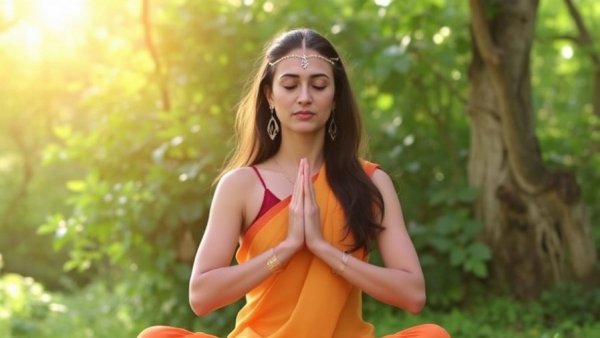
Can Yoga Support Brain Health? Discover Its Surprising Benefits!

Update Understanding the Connection Between Yoga and Brain Health The human brain, a marvel of biological engineering, is not only the control center of our body but also the epicenter of our thoughts, emotions, and choices. To ensure optimal brain function, it's crucial that we nurture it with a balanced approach that includes regular oxygen and blood supply, proper nutrition, and adequate rest. In recent discussions on health, the role of mindfulness practices, particularly yoga, has come into focus as a way to support brain health while simultaneously addressing lifestyle-related risks. As we become more aware of the importance of mental wellness, integrating practices like yoga into our lives can significantly influence our overall health. The Role of Himalayan Yoga in Promoting Brain Health Himalayan Yoga emphasizes harmony between body, breath, and mind, promoting a holistic approach to health and wellness. The principles of movement (Asanas), breath control (Pranayama), and meditation are integral parts of practicing Himalayan Yoga. According to Yoga and Spiritual Leader Himalayan Siddha Akshar, the emphasis on breathing techniques is crucial, as they help manage stress effectively, which in turn supports our cardiovascular health and overall well-being. He states, “There should be no force, unnecessary strain, or hurry to achieve a particular result.” This perspective encourages practitioners to approach yoga not just as an exercise, but as a lifestyle choice that fosters inner peace and cognitive clarity. The Importance of Mindfulness and Stress Management Stress has a profound impact on brain health, with research indicating that chronic stress can contribute to conditions such as anxiety and depression, ultimately leading to cognitive decline. The fast-paced nature of modern life often exacerbates stress levels, making the cultivation of mindfulness even more essential. Yoga's capacity to cultivate mindfulness through focused breath and movement allows individuals to better manage stress levels. Engaging in regular yoga practice can induce a state of tranquility, fostering emotional regulation and improved cognitive function. Numerous studies have shown that mindfulness practices not only lower stress hormones but enhance the brain's neuroplasticity, the ability to adapt to change and grow new connections. Real-Life Stories of Yoga's Impact Individuals who have turned to yoga report transformative experiences, not just physically but mentally as well. Take, for example, Maria, a 34-year-old graphic designer who struggled with anxiety and fatigue. After incorporating yoga into her routine, she noticed a significant improvement in her mood and energy levels. “It was as if yoga gave me space to breathe and process my thoughts,” she shared. Similarly, John, a 45-year-old software engineer who dealt with work-related stress, found a new perspective through his yoga practice. “I realized that I could control my reactions to stress, and yoga helped me find clarity amidst chaos.” These stories reveal the personal significance of yoga beyond its physical benefits, illustrating its role in enhancing mental health and fostering resilience. Importance of Movement, Nutrition, and Sleep for Brain Health Beyond yoga, maintaining a balanced lifestyle that includes regular physical activity, proper nutrition, and sleep is pivotal. Physical exercises stimulate blood flow and promote better brain function. Pairing this with a nutrition plan rich in antioxidants, healthy fats, and vitamins supports neurological health. Foods like berries, fatty fish, and leafy greens are not only beneficial for the body but also play a critical role in brain function. It’s essential to create a nurturing environment for the brain with holistic practices that address these factors. Quality sleep also stands out as a cornerstone of brain health; during sleep, the brain consolidates memories, flushes out toxins, and supports overall cognitive functions. Emphasizing Holistic Health Practices Holistic health approaches advocate for the interconnectedness of physical, emotional, and mental wellness. The rise of holistic practices reflects a broader societal trend toward recognizing that mind and body are inherently linked. Health professionals are increasingly recommending complementary therapies—such as yoga, acupuncture, and nutritional counseling—alongside traditional medical treatments. This can lead to a more comprehensive understanding of health, encouraging individuals to take an active role in their wellness journey. The integration of yoga into rehabilitation programs is one example of this shift, demonstrating a commitment to a more inclusive view of health care. Future Predictions: The Rise of Holistic Health Practices As we advance into an era increasingly focused on mental health awareness, it’s likely that practices like yoga will gain recognition for their profound impact on brain health. More studies emphasizing the connection between mind and body are expected, leading to broader incorporation of such practices in rehabilitation programs and educational settings. This shift could not only aid in individual well-being but also foster communities centered around mindfulness and holistic health. Schools and workplaces may begin offering yoga sessions as part of their wellness programs, encouraging individuals to incorporate these practices into their daily routines. Actionable Steps Towards Better Brain Health Here are a few simple, actionable steps to begin or enhance your journey towards better brain health: **Incorporate Yoga:** Start small with guided sessions or online classes to establish a consistent practice. Look for local studios or community centers that offer classes for various skill levels. **Focus on Nutrition:** Include brain-healthy foods in your diet, such as leafy greens, nuts, and fatty fish. Consider consulting a nutritionist for personalized dietary advice. **Practice Mindfulness:** Dedicate a few minutes daily to meditation or deep-breathing exercises to enhance focus and clarity. Apps like Headspace or Calm can help you get started. **Prioritize Rest:** Aim for 7-9 hours of quality sleep each night to allow for brain regeneration. Create a calming bedtime routine to improve sleep quality. Engaging in these practices can provide a foundation for a healthier lifestyle, greatly benefiting your brain health. Remember, small changes can lead to significant outcomes over time. Conclusion: Embrace the Journey to Wellness As we navigate the complexities of modern life, it’s vital to remain conscious of our health habits. Incorporating the teachings of yoga into our daily routines offers not just physical benefits but profound mental and emotional rewards. By investing time in practices that promote brain health, we pave the way for a more wholesome life. Let this serve as your invitation to explore and embrace the transformative power of yoga and mindfulness. Together, these elements form a robust approach to fostering a healthier mind, body, and spirit, encouraging you to take an active role in your personal wellness journey.

09.29.2026

How Yoga Promotes Heart Health: The Power of a Calmer Mind and an Active Body

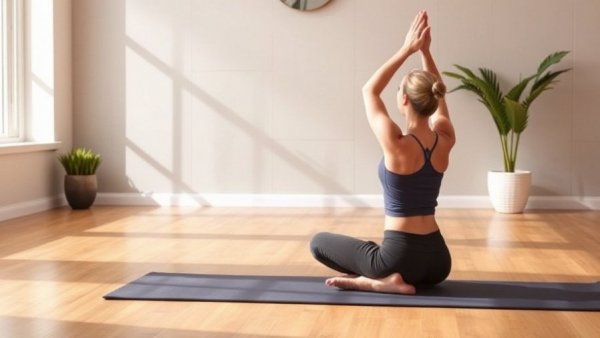
Update Connecting Mind and Body: The Integral Role of Yoga in Heart HealthIn the quest for heart health, the often-overlooked yet vital connection between a calm mind and an active body is gaining renewed attention. Modern research increasingly underscores how lifestyle factors—including physical activity and mental well-being—play pivotal roles in cardiovascular health. The heart, tirelessly supporting every aspect of our physical existence, thrives best in a state of balance where movement, breath, and awareness coalesce. According to recent studies, people who engage in regular physical activities, including yoga, exhibit lower rates of heart disease, supporting the notion that lifestyle choices directly influence heart health.Yoga: A Comprehensive Approach to Well-BeingYoga stands out as a compelling practice that merges these essential components of health. It integrates movement, conscious breathing, flexibility, muscle strength, relaxation, and mindfulness, forming a holistic routine that promotes both physical fitness and mental clarity. When the body engages in yoga, it doesn’t merely move; it learns to breathe deeply, stretch purposefully, and align itself harmoniously. This integration fosters greater body awareness, encouraging practitioners to notice how their physical and emotional states influence one another. By focusing on oneself through yoga, individuals can develop a deeper understanding of their bodies and how they respond to stress, ultimately paving the way for a healthier lifestyle.Practical Techniques for Heart HealthSpecific yoga postures such as Bhujangasana (Cobra Pose), Setu Bandhasana (Bridge Pose), Vrikshasana (Tree Pose), and Balasana (Child's Pose) can be particularly beneficial. Each pose offers unique advantages—from building strength and flexibility to promoting relaxation and stress relief. For instance, Bhujangasana strengthens the spine while opening the chest area, encouraging better heart function. Pairing these postures with focused breathing techniques deepens the connection between mind and body, enhances oxygen flow, and cultivates a sense of tranquility that is invaluable for heart health. Additionally, yoga teaches practitioners to maintain a steady rhythm in their breathing, which also supports cardiovascular stability.The Emotional Benefits of Practicing YogaBeyond the physical advantages, yoga has profound emotional benefits. For many, it serves as an escape from daily pressures, providing a sanctuary where one can recharge mentally and emotionally. The practice encourages individuals to pause and reflect on their thoughts and surroundings, fostering a sense of peace and belonging. Regular yoga practice can combat anxiety, heighten feelings of tranquility, and improve overall mood, thus supporting cardiovascular health indirectly. According to studies, practicing mindfulness through yoga not only lowers stress levels but can also regulate blood pressure, another key factor in heart health. Feeling more centered through yoga allows individuals to face life’s challenges with greater resilience and composure.Debunking Myths: Yoga is for EveryoneA common misconception surrounding yoga is that it requires advanced skills or flexibility. In reality, yoga is designed to accommodate all levels, from beginners to seasoned practitioners. Individuals can choose postures that resonate with their comfort and skill level, making it accessible for everyone, regardless of age or fitness background. Yoga's inclusive nature allows anyone on the fitness journey to benefit from its heart-healthy aspects. Community classes or online videos often offer variations on poses, ensuring that those new to yoga can find an entry point that works for them. Everyone can start at their own pace, gaining confidence and capability over time.Looking Ahead: The Future of Fitness Through YogaAs we forge ahead into a world increasingly focused on wellness, yoga's role in fitness and mental health is likely to become more prominent. The integration of technology into fitness, such as virtual yoga classes and mobile wellness apps, allows more people to participate in yoga, further embedding its principles into popular wellness culture. This trend suggests that nearly anyone can incorporate the calming practice of yoga into their lives, no matter their location or schedule. The flexibility to practice at home or in community centers makes yoga an easy addition to busy lifestyles, promoting heart health even amidst hectic daily routines.Making Yoga Part of Your RoutineIncorporating yoga into your daily life doesn’t have to be a time-consuming commitment. Starting with just a few minutes of yoga each day can cultivate a meaningful practice. Creating a small ritual—whether it’s morning stretches, midday deep-breathing exercises, or evening relaxation techniques—can promote heart health while enhancing overall well-being. Small yet consistent actions can lead to significant improvements in both physical fitness and mental clarity over time. Engaging with an online yoga community can also provide motivation and accountability, ensuring you remain committed to your practice.Conclusion: Engage with Your Fitness JourneyThe connection between a calm mind and active body is clear: embracing yoga can play a transformative role in enhancing heart health. Engaging with this practice not only enriches individual wellness but also fosters a community of informed individuals dedicated to fostering better health practices. To learn more about fitness trends and practical health strategies, follow health and wellness blogs, seek guidance from experienced instructors, or join local yoga classes today. Incorporating yoga into your lifestyle reflects a deeper commitment to not just heart health, but to a fulfilling and balanced life.

09.23.2026

Exploring Mushti Mudra: A Simple Key to Boosting Your Fitness

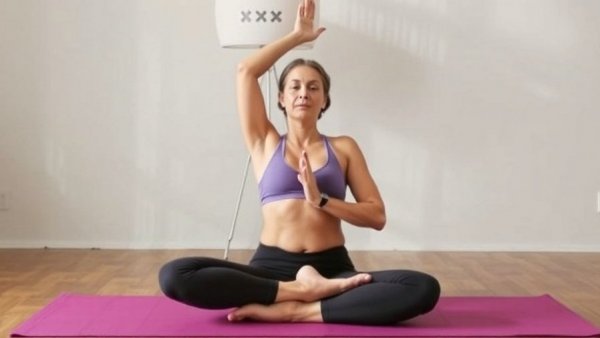
Update Enhancing Physical Vitality Through Simple Practices In today's fast-paced world, maintaining physical vitality can often feel like a challenge. However, easy-to-adopt practices like Mushti Mudra can serve as practical solutions to enhance overall well-being. This simple hand gesture not only connects the mind and body but can also lead to greater awareness, making it easier to incorporate health-conscious decisions into daily living. The Essence of Mushti Mudra: A Symbol of Strength Mushti Mudra, which translates from Sanskrit to “fist,” symbolizes strength and resilience. To perform this mudra, simply create a fist with both hands while keeping your attention on your breath. This position can be done effortlessly at home, in the office, or even during short breaks throughout your day. This connection to strength can enhance your physical vitality and provide mental clarity. Benefits of Incorporating Mudras into Your Routine Mudras like Mushti Mudra offer a gateway into mindfulness and body awareness. Beyond just a physical gesture, they support a broader wellness routine that harmonizes nutrition, gentle movement, and restorative practices. For those who may have limited mobility, incorporating mudras is a perfect way to engage with physical well-being without needing extensive physical exertion. A Gentle Entry into Wellness: Perfect for All Mushti Mudra shines for its accessibility; it can accommodate a range of abilities and experience levels. This practice encourages everyone to listen to their bodies and make choices that resonate with their current capabilities. The beauty of starting with such a gentle approach is that it can lead to greater consciousness about physical activity, potentially motivating individuals to explore more vigorous types of exercises as they grow comfortable. Building Consistency: The 5-Minute Routine Incorporating Mushti Mudra into your daily routine can begin with just five minutes twice a day. A regular practice fosters a sense of routine and can profoundly impact your wellness journey. As reported by health experts, developing a disciplined schedule for engaging in such exercises aids in leveraging mind-body connections, which creates a more peaceful and focused atmosphere. How Mushti Mudra Encourages Healthy Living Mushti Mudra can be seamlessly integrated into other forms of physical movement and healthy nourishment. By coupling it with balanced meals and proper hydration, individuals are better positioned to embrace a holistic lifestyle that promotes overall vitality. This includes stretching, yoga, or even short walks. Pairing these methods can forge a comprehensive strategy for physical and mental health improvement. Psychological and Emotional Well-being Through Connection The practice of Mushti Mudra does not only impact the physical; it opens pathways for emotional well-being as well. By focusing on the breath and the form of the hands, individuals can cultivate a sense of serenity and an outlet for stress relief. This connection between the mind and body is crucial, especially in our increasingly stressful environments. Many practitioners report feeling a heightened sense of calm and connection to their bodies, which can provide a reassuring anchor amid daily life's challenges. Community and Shared Experience: Joining a Wellness Journey In our pursuit of wellness, connecting with others who share similar goals can be incredibly motivating. Social support plays a pivotal role in maintaining consistency in health practices. Consider seeking out local classes, attending workshops, or joining online groups dedicated to yoga and mindful practices. By immersing yourself in a community that values health and wellness, you can share experiences and insights, gaining not just accountability, but also encouragement to explore new dimensions of your practice. Practical Considerations for Practicing Mushti Mudra When taking on Mushti Mudra, keep some practical considerations in mind. First, create a calming environment that allows for undisturbed practice. This could be a quiet corner in your home or a peaceful spot outside in nature. Next, try to maintain a consistent practice time, as routines can make it easier to remember to engage with this exercise. Finally, note your feelings before and after practicing Mushti Mudra. These reflections can track your progress and transformation over time. Practical Takeaways: Embrace Mushti Mudra As you embrace the practice of Mushti Mudra, remember that the journey toward vibrant health is uniquely personal. Starting small, being consistent, and adapting practices to suit your lifestyle can yield significant long-term results. The ease of Mushti Mudra allows individuals from all walks of life to incorporate it into their routines, bridging the gap between a busy schedule and a commitment to health. To make the most of your health journey, make a commitment to incorporate Mushti Mudra into your daily routine. Doing so may open new avenues for enriching your well-being journey, enhancing the quality of your life through a deeper connection to your body and your breath.

cropper
update
WellnessDigest
cropper
update

We bring you expert insights, practical health tips, and latest wellness trends. 

  • update
  • update
  • update
  • update
  • update
  • update
  • update

COMPANY

  • Privacy Policy
  • Terms of Use
  • Advertise
  • Contact Us
  • Menu 5
  • Menu 6

(321) 252-0358

AVAILABLE FROM 8AM - 5PM

Orlando, Florida

ABOUT US

We are dedicated to bringing you the latest in health, nutrition, fitness, and overall well-being. 

© 2026 CompanyName All Rights Reserved. Address . Contact Us . Terms of Service . Privacy Policy

Terms of Service

Privacy Policy

Core Modal Title

Sorry, no results found

You Might Find These Articles Interesting

T
Please Check Your Email
We Will Be Following Up Shortly
*
*
*