

cropper
update
WellnessDigestToday
The logo of WellnessDigest.Today
update
  • Home
  • Categories
    • Mental Health & Mindfulness
    • Nutrition & Healthy Eating
    • Fitness & Workout Trends
    • Sleep & Recovery
    • Longevity & Anti-Aging
    • Sexual Health & Relationships
June 01.2025
3 Minutes Read

Understanding Sun Poisoning vs. Sunburn: What Every Woman Should Know

Woman with sunscreen design on beach, sun poisoning vs sunburn.

Understanding Sun Poisoning vs. Sunburn: What Every Woman Should Know

The summer sun shines brightly, enticing many of us to step outdoors for some much-needed vitamin D. However, without proper protection, exposure to the sun's rays can lead to skin damage, prompting questions about whether you’re suffering from a simple sunburn or a more severe condition often referred to as sun poisoning. While these terms may sound similar, they represent different levels of skin damage and health concerns.

What is Sunburn?

Sunburn is a common skin condition caused by overexposure to ultraviolet (UV) rays from the sun or tanning beds. According to a study published in StatPearls, more than a third of the population experiences sunburn annually. This condition manifests as red, painful, and inflamed skin, often described as an inflammatory reaction to direct DNA damage in skin cells, as noted by dermatologist Dr. Sunita Naik.

What is Sun Poisoning?

Though not recognized as a specific medical term, sun poisoning describes severe sunburn symptoms that extend beyond skin damage. According to experts, this phrase encompasses a variety of debilitating symptoms such as dizziness, nausea, headaches, chills, dehydration, and occasionally a rash. Essentially, sun poisoning signifies that your body is reacting intensely to prolonged UV exposure, which might resemble other heat-related illnesses.

Key Differences Between Sunburn and Sun Poisoning

While both conditions arise from excessive sun exposure, they diverge significantly in symptoms and severity:

  • Conditions: Sunburn predominantly causes localized skin irritation (redness, pain, peeling), while sun poisoning can result in full-body symptoms affecting your well-being.
  • Duration: Sunburn typically lasts from 3 to 7 days. In contrast, sun poisoning may lead to prolonged symptoms lasting over a week, particularly if systemic manifestations like dehydration develop.
  • Risk Factors: Regular sun exposure without protection, excessive swimming in sunlight, and a history of previous sunburns heighten the risk of both conditions. Unique to sun poisoning, certain medications like tetracycline can increase photosensitivity, leading to more severe reactions.

Spotting the Symptoms of Each Condition

To effectively treat sunburn or seek appropriate medical help for sun poisoning, understanding the symptoms is crucial:

  • Sunburn Symptoms:
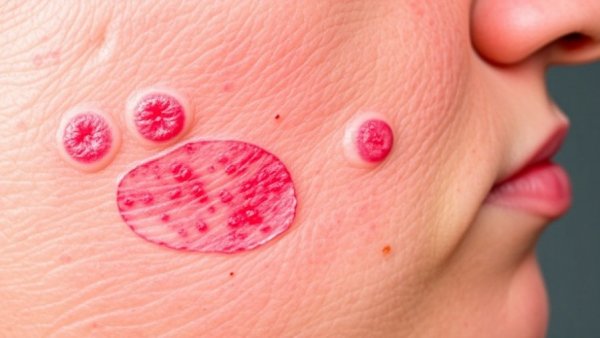
    These include redness, inflammation, warmth in the affected area, tenderness, and eventual peeling as the skin heals.
  • Sun Poisoning Symptoms:
    These can escalate to systemic impacts, including nausea, headaches, fever, chills, and a visible rash along with the symptoms of sunburn.

Taking Action: Treatment and Prevention

Whether you’re dealing with sunburn or sun poisoning, immediate action is crucial. For sunburn, relief typically includes:

  • Applying soothing aloe vera gel or moisturizing lotion to affected areas.
  • Taking over-the-counter pain relievers to ease discomfort.
  • Drinking plenty of fluids to stay hydrated and recover.

Sun poisoning might require a trip to a healthcare professional, especially if symptoms manifest severely.

Preventative Measures: Safeguard Your Skin

As the age-old adage goes, “an ounce of prevention is worth a pound of cure.” Adopting proactive measures can protect your skin from these harmful effects:

  • Use sunscreen: Look for broad-spectrum sunscreen with SPF 30 or higher, reapplying every two hours, especially after swimming or sweating.
  • Wear protective clothing: Opt for lightweight, long-sleeved shirts, wide-brimmed hats, and UV-filtering sunglasses.
  • Avoid peak hours: Stay out of direct sunlight between 10 AM and 4 PM when UV rays are strongest.

Emotional and Social Aspects of Skin Health

Skin health isn't merely a physical issue; it connects deeply to how we perceive ourselves and how others perceive us. Damage from excessive sun exposure can lead to not only visible changes in skin texture but also emotional impacts tied to self-esteem and confidence.

Conclusion: Take Control of Your Skin Health

Understanding the nuances between sun poisoning and sunburn allows you to adopt better protective measures and respond effectively if you experience these conditions. Consult with skincare professionals for personalized advice tailored to your unique skin type and health concerns. Remember, your skin deserves the best care!

Longevity & Anti-Aging

9 Views

0 Comments

Write A Comment

*
*
Please complete the captcha to submit your comment.
Related Posts All Posts
11.15.2026

Festive Season Hair Care: Understand Hair Fall and Exosome Therapy

Update Balancing Festive Beauty with Hair Health As the festive season approaches, thoughts often turn to family gatherings, parties, and the perfect hairstyle. However, it’s essential to balance our desire to look fabulous with the health of our hair. Frequent styling, exposure to heat, and tight hairstyles can lead to hair damage, increase hair fall, and exacerbate existing scalp issues. It's a time to celebrate, yet also a moment to be mindful of how we treat our hair. Understanding the Impact of Festive Styling The holidays can become a frenzy of beauty routines, often involving multiple applications of heat styling. While blow-drying and curling might help us achieve that polished look, they can also strain the hair follicles. Excessive heat strips moisture and leads to drier, more brittle hair, which inevitably increases breakage. Women seeking to look their best may overlook the adverse effects of such styling choices, making it crucial to understand how these practices impact hair health. Furthermore, tight hairstyles, although fashionable, can lead to traction alopecia, a condition characterized by hair loss due to consistent pulling on the hair strands. This information highlights the importance of prioritizing hair health amid the urge to glamorize during celebrations. Exploring Exosome Hair Treatment For those dealing with hair thinning or damage, exosome hair treatment is garnering attention as an innovative solution. This non-surgical option harnesses the power of microscopic biological messengers known as exosomes, which deliver essential growth factors and proteins directly to the scalp. By promoting healthier hair growth, this treatment improves scalp conditions, helping restore both the hair and confidence. Consulting with a qualified dermatologist can provide personalized insights, ensuring that treatment aligns with individual hair health needs. Interested individuals can explore various fertility options for their scalp and may find exosome therapy fitting based on their specific hair challenges. Benefits of Early Intervention Recognizing hair concerns early during the festive season provides an opportunity to seek treatments like exosome therapy before extensive damage occurs. This timely approach can lead to reestablishing health and vitality in hair, allowing for a festive look that doesn’t compromise hair integrity. Prevention is often easier than recovery, and understanding this can lead to more informed beauty decisions. Additionally, attending holiday season parties can be the perfect moment to consult with professionals about both styling techniques and potential treatments. Many salons offer consultations leading up to holiday festivities, which can further aid in the decision-making process regarding hair care. Creating the Right Environment for Hair Growth Establishing a nurturing environment for hair growth goes beyond treatments. Simple practices, such as gentle brushing with wide-toothed combs and avoiding extreme heat, play a significant role in maintaining healthy hair. Styling breaks are just as important; giving your hair a rest can prevent undue stress on the follicles. This season, consider adopting a more holistic view of hair care—one that prioritizes health as much as aesthetic. Choosing hairstyles that require less manipulation can also help retain hair strength. Remember, a healthy scalp is the foundation of any beautiful hairstyle, so hydration and regular scalp massages can promote circulation, enhancing hair growth. What to Expect From Exosome Therapy If you choose exosome therapy, it’s essential to set realistic expectations. While this treatment shows promise, results can vary based on individual conditions. An expert evaluation is crucial; specialists conduct thorough assessments, including scalp health evaluations, ensuring tailored treatment plans that cater to specific hair types and conditions. Typically, treatments aren't an overnight fix but rather a part of a continuous journey towards comprehensive hair health. Patience is key, as effective hair regeneration takes time and should be viewed as an investment in your long-term hair vitality. Encouraging Healthy Practices As the holidays approach, it’s a time for joy and reflection, but let’s also take a moment to practice self-care. Incorporating gentle hair care routines and selecting styles less likely to damage follicles can lead to long-term benefits. Instead of reaching for that curling iron daily, consider alternatives such as heatless styling methods or using protective hairstyles that allow your hair to recover and thrive. It’s not just about looking great for the party; it’s about fostering healthy hair that shines bright all year round. Furthermore, using the right products—such as sulfate-free shampoos and nourishing conditioners—can keep your hair moisture-rich and less prone to damage. Finally, make a commitment to monitor your hair's condition. Whether it’s through professional consultations or simple home checks, staying informed about hair health can empower your decision-making journey. Regularly assessing how your hair responds to different styles and products allows you to adjust your routine for optimal results. This festive season, let’s celebrate not just style, but also the health behind it. Take the time to pamper yourself and explore treatments that can rejuvenate your hair. Always remember that while festive fun is fleeting, the care you give your hair can provide lasting benefits well beyond the holiday season.

11.09.2026

Beyond Skin Treatment: Why Managing Psoriasis Requires Comprehensive Care

Update Understanding Psoriasis: More Than Just Skin Deep Psoriasis isn't merely a skin condition; it's a chronic, immune-mediated disease that profoundly impacts both physical and mental well-being. Often recognized for its distinctive red and scaly skin patches, psoriasis stems from an overactive immune response that causes skin cells to multiply rapidly. Although it typically appears on visible areas like the elbows, knees, scalp, and lower back, it can affect any part of the body, including nails and the inside of the mouth. Patients may find themselves in cycles of flares and remissions, and while there's currently no curative treatment, effective management can lead to significant symptom relief. Misconceptions and Psychological Effects A prevailing misconception is that psoriasis is merely an aesthetic concern. In reality, it can be linked to a host of other health issues, including psoriatic arthritis, heart disease, and metabolic disorders such as diabetes. The emotional toll of psoriasis can be substantial, causing anxiety, depression, and low self-esteem among affected individuals. Many patients experience feelings of embarrassment or social isolation due to their visible symptoms, which can lead them to avoid situations that would expose their skin. Often, outbreaks may coincide with high-stress periods, suggesting a complex relationship between mental health and psoriasis flare-ups. To combat this, it's crucial for treatment plans to incorporate mental health support alongside dermatological care. Mindfulness practices, therapy, and support groups can offer significant benefits in dealing with the emotional burden. The Importance of Timely Diagnosis Receiving a proper diagnosis is essential, as psoriasis can be mistaken for eczema or fungal infections. If you’re experiencing persistent or recurrent skin patches, don’t delay seeking a consultation with a skin specialist. Early evaluation is key to a successful treatment journey; prompt diagnosis can significantly lower the risk of developing complications like psoriatic arthritis, which is characterized by painful, swollen joints. For instance, individuals suffering from joint pain should visit their healthcare provider without hesitation. Treatment options vary markedly based on disease severity and individual medical history, with mild cases potentially responding to topical therapies like corticosteroids and vitamin D derivatives, while more severe conditions may necessitate systemic therapies. Advancements in Treatment Options In recent years, advancements in psoriasis management have expanded options significantly. Biological therapies that target specific immune pathways—such as TNF-alpha, IL-17, and IL-23—have shown remarkable effectiveness, especially for severe cases resistant to conventional treatments. Our practice has successfully treated over 50 patients with severe psoriasis, helping many regain a quality of life that feels nearly normal. It’s incredibly uplifting to see how these innovations transform lives by achieving a level of skin clearance that hadn't been possible before. This shift in treatment paradigm means that more patients can expect not just symptom control, but a more comprehensive enhancement of their overall health and well-being. Complementary Practices for Well-being Beyond medical treatments, lifestyle changes can add considerable value to managing psoriasis. Regular cleansing and moisturizing can help alleviate dry-skin irritation, while good sleep habits, balanced nutrition, regular physical activity, and effective stress management contribute to overall wellness. Incorporating antioxidant-rich foods, omega-3 fatty acids, and staying hydrated can also support skin health. By identifying personal triggers, such as stress or skin injuries, patients can implement strategies to minimize flare-ups. Practices like yoga or meditation can help reduce stress levels and promote relaxation. Avoiding overly aggressive skincare products and opting for gentle, fragrance-free options can further protect sensitive skin, allowing patients to improve their quality of life. Combatting Stigma and Raising Awareness Combatting the stigma associated with psoriasis is also vital. Despite common misconceptions, psoriasis is not contagious nor linked to poor hygiene or lifestyle choices. Public education initiatives can significantly aid in dispelling these myths and encouraging those affected to seek timely medical assistance. Increased visibility can foster a culture of understanding and inclusion, allowing individuals with psoriasis to feel more comfortable sharing their experiences and seeking support. This is especially important for women who may feel societal pressures regarding appearance, as an open dialogue can break down barriers and promote empathy. Looking Ahead: A Holistic Approach to Treatment The future of psoriasis management lies in an integrative approach—one that marries targeted therapies with holistic care addressing emotional and health-related challenges. An effective treatment plan should aim not just for clear skin but also for improved mental health and quality of life. Patients should feel empowered to communicate openly with their healthcare providers about their experience, forging partnerships focused on comprehensive well-being. Luckily, with advancements in research and a growing understanding of psoriasis, innovative treatment pathways are becoming more accessible. As more evidence emerges, the conversation around psoriasis can evolve to promote both effective treatment and emotional support, ultimately allowing patients to lead fulfilling lives. Being proactive about managing the condition through both medical and lifestyle approaches can prove invaluable, so understanding this multifaceted disease will empower those affected and foster a community of support.

10.19.2026

Unraveling Genetic Mysteries: How Significantly Do Genes Impact Hair Health?

Update Understanding the Roots of Hair Changes Our hair is often tied closely to our self-image, and changes like premature greying or thinning can significantly impact our confidence. Many people may not realize just how intertwined our hair health is with our overall wellness. While genetics plays a critical role in these transformations, a deeper look reveals a mix of factors that contribute to the way our hair changes with age. It’s crucial to understand that while genetics influences the timing and pattern of these changes, lifestyle factors, nutritional habits, and overall health can both aggravate or mitigate hair loss and greying. Recognizing the multifaceted nature of hair health allows women to approach their beauty routines with a holistic mindset, embracing practices that enhance vitality. Genetic Influence: An In-Depth Look When it comes to why some people experience grey hair or hair thinning earlier than others, genes are primary culprits. For instance, a family history of premature greying can heighten expectations; however, it's essential to remember that just because a parent went grey at 30, it doesn’t guarantee the same for you. Studies show that the reduction of melanin production leads to grey or white hair, starting typically in our later years, but some may notice these changes as early as their twenties due to genetic predisposition. This nuance is especially important for those navigating beauty standards and self-esteem tied up in hair appearance. Interestingly, dermatologists note that while genetics may prime us for certain hair changes, conditions like nutritional deficiencies (think iron or vitamin D deficiency), hormonal imbalance, or stress could accelerate these processes. Thus, it becomes vital to consult healthcare professionals if you notice sudden changes in your hair. Addressing these concerns early could lead to effective treatments that counteract negative changes, helping maintain your hair’s integrity. Beyond Genes: Lifestyle Matters Your lifestyle choices—what you eat, how much you exercise, and even stress levels—can dramatically affect how your hair ages. For example, poor nutrition is a known contributor to both greying and thinning hair. Foods rich in vitamins A, C, D, iron, zinc, and healthy fats are essential to maintaining the vitality of hair follicles. Incorporating a rainbow of fresh fruits and vegetables into your diet can do wonders not only for your hair but for your overall well-being, influencing everything from skin health to mood. Therefore, balancing your diet is not simply a matter of aesthetics; it can profoundly influence your hair health. It's also important to consider hydration. Drinking sufficient water helps maintain optimal scalp health, assisting in nutrient absorption and promoting healthy hair growth. Moreover, regular exercise not only helps relieve stress but also boosts circulation which nourishes hair follicles, further supporting lovely, full hair. Simple activities like yoga or a daily walk can make a significant difference over time. Counterarguments: Questioning Genetic Predisposition While genetics can provide insight into your hair health, it shouldn’t be the sole determinant. Understanding the role of lifestyle changes provides a more comprehensive picture. Factors such as recent stressors or significant changes in lifestyle can shift your hair’s status almost overnight. For women, understanding that conditions such as polycystic ovary syndrome (PCOS) can lead to hair thinning highlights how everyday health—not just hereditary factors—plays a role. The potential impact of significant life changes—like the stress of a job transition or health struggles—cannot be underestimated. Therefore, if you suspect hair issues, speaking to a dermatologist can guide you to effective treatments tailored to your situation. Effective Treatments and Preventive Strategies Currently, there’s no absolute cure for genetically driven greying, but treatments can help slow down the process. Minoxidil is an established treatment for certain types of hair loss, especially in women experiencing thinning. However, it is critical for patients to have thorough discussions with healthcare professionals to evaluate their individual situations, considering factors such as age, hair loss patterns, and specific needs. This ensures that the right products and routines are recommended, minimizing the risk of disappointment. From vitamin supplements targeting deficiencies to emotional support techniques helping to combat stress, a range of potential remedies exists. Supplements like biotin or omega-3 fatty acids have been mentioned as natural aids in supporting healthy hair. Women might also explore options like hair transplants, which can restore hair in areas affected by suitable types of hair loss; however, this method cannot eliminate genetic predispositions. Dyes are another popular solution for those wishing to combat grey hair, with an array of products available from natural to chemical formulations. Having a variety of options allows women to choose what aligns best with their lifestyle and preferences, adding a personalized touch to their beauty routine. Personalization is Key to Your Hair Care Journey A thorough evaluation by a qualified specialist can lead you toward a more personalized treatment plan tailored to individual needs. Whether genetics predispose you to early greying or hair thinning, awareness of your unique situation allows for informed decisions regarding hair care. This individualized approach not only empowers you but also enhances your understanding of hair maintenance as a lifelong commitment. In conclusion, knowing your genetic background is essential, but life choices play a crucial role in the appearance and health of your hair. Taking control through proper diet, understanding underlying health issues, and adopting an effective hair care routine can help anyone tackle premature greying or hair thinning confidently and effectively. Embracing a proactive stance in your beauty regimen can yield not only aesthetic rewards but also profound improvements in overall wellness. Begin your proactive journey toward healthier hair today: assess your diet, manage stress, consult with professionals, and explore preventive treatments to get on the best path to managing your hair’s health.

cropper
update
WellnessDigest
cropper
update

We bring you expert insights, practical health tips, and latest wellness trends. 

  • update
  • update
  • update
  • update
  • update
  • update
  • update

COMPANY

  • Privacy Policy
  • Terms of Use
  • Advertise
  • Contact Us
  • Menu 5
  • Menu 6

(321) 252-0358

AVAILABLE FROM 8AM - 5PM

Orlando, Florida

ABOUT US

We are dedicated to bringing you the latest in health, nutrition, fitness, and overall well-being. 

© 2026 CompanyName All Rights Reserved. Address . Contact Us . Terms of Service . Privacy Policy

Terms of Service

Privacy Policy

Core Modal Title

Sorry, no results found

You Might Find These Articles Interesting

T
Please Check Your Email
We Will Be Following Up Shortly
*
*
*